
A beginner's guide to zero-waste kitchen operations
A zero waste kitchen prevents waste before managing it: audit first, then prep and portion controls, then composting for what production cannot save.
A zero waste kitchen prevents waste before managing it: audit first, then prep and portion controls, then composting for what production cannot save.

The Schengen 90 day rule gives visa-free guests 90 days inside a moving 180-day window, shared across the whole area. What counts toward the cap, what breaks it, and what the reporting rules ask of hotel front desks.

What the word actually means, what you pay for, and where the chain model still wins.

An airline cabin and a Caribbean conference hotel made the show's hotel-relevant headlines. Both are aimed at the traveler between the price points.
Three Chonburi properties were recognised at a Thailand Department of Tourism showcase, and the group's own reported figures now attach hard energy and emissions estimates to the effort.
Bookings and directions migrate to software; access and relationships stay human. The desk's payroll case now rests on retention, not request volume.
The UK's Electronic Travel Authorisation is a standing pre-travel requirement for US and other visa-exempt visitors. The application, the fee, the validity, and what the check changes for hotel front offices.

Mid-century hotel furniture survives restyling cycles because clean lines age slowly. The SAS Royal Hotel, the Palm Springs landmarks and a buyer's checklist.

Palettes set the pace of a dining room long before the menu does. Here is what the science of color perception supports, and what remains a designer's judgement call.
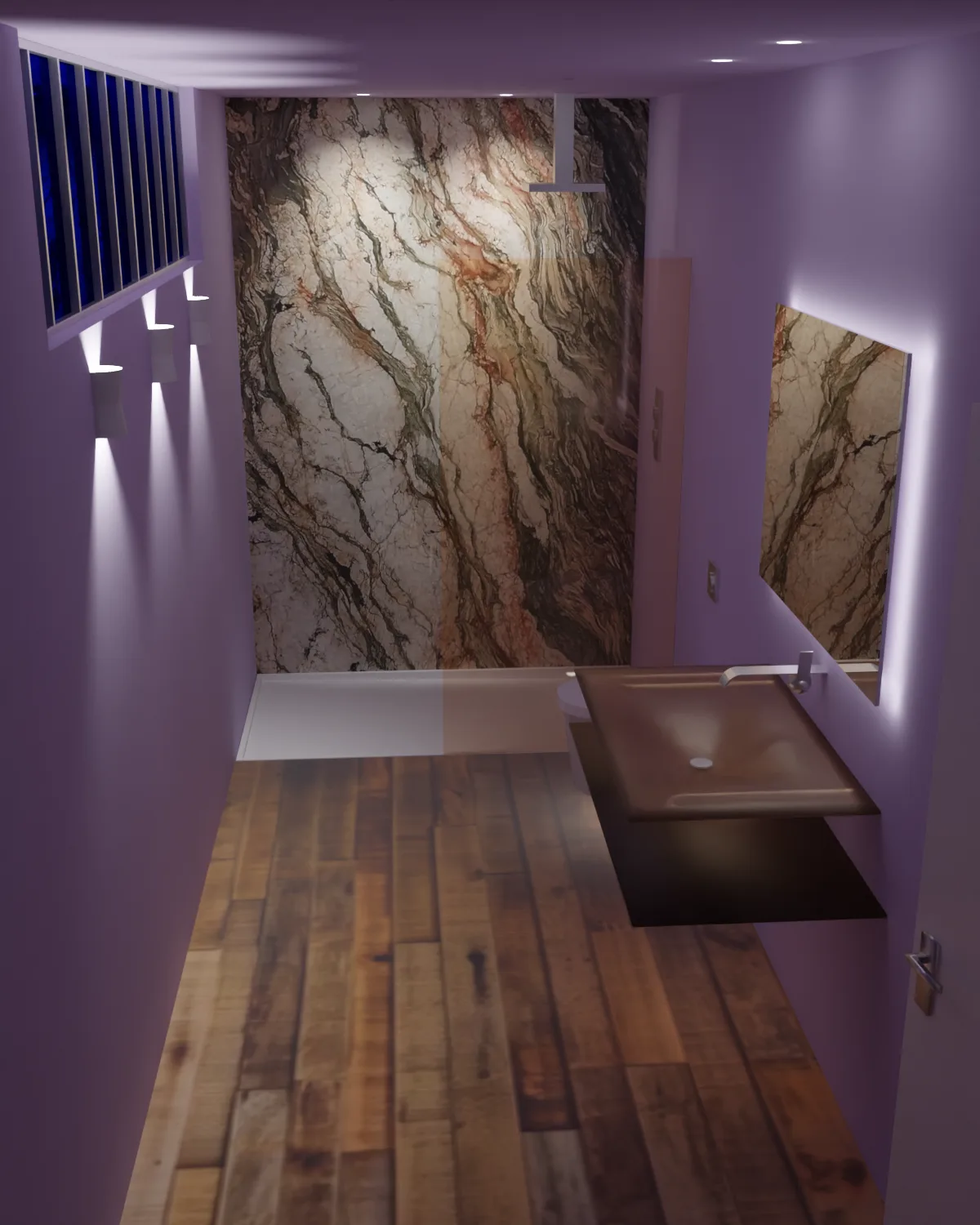
Hotel corridors and public spaces need three lighting layers: ambient light to move by, task light to work by, and accent light for mood. Here is how each layer works.

Gallery-grade rooms are built from proportion, materials and restraint — not price tags. Here is what actually drives the look, and where the money is worth spending.

Sustainability programs hold up on four parts: written criteria, third-party verification, staff training, and measurement. The EU Ecolabel and LEED show how point systems, mandatory requirements, and verification actually work for operators.
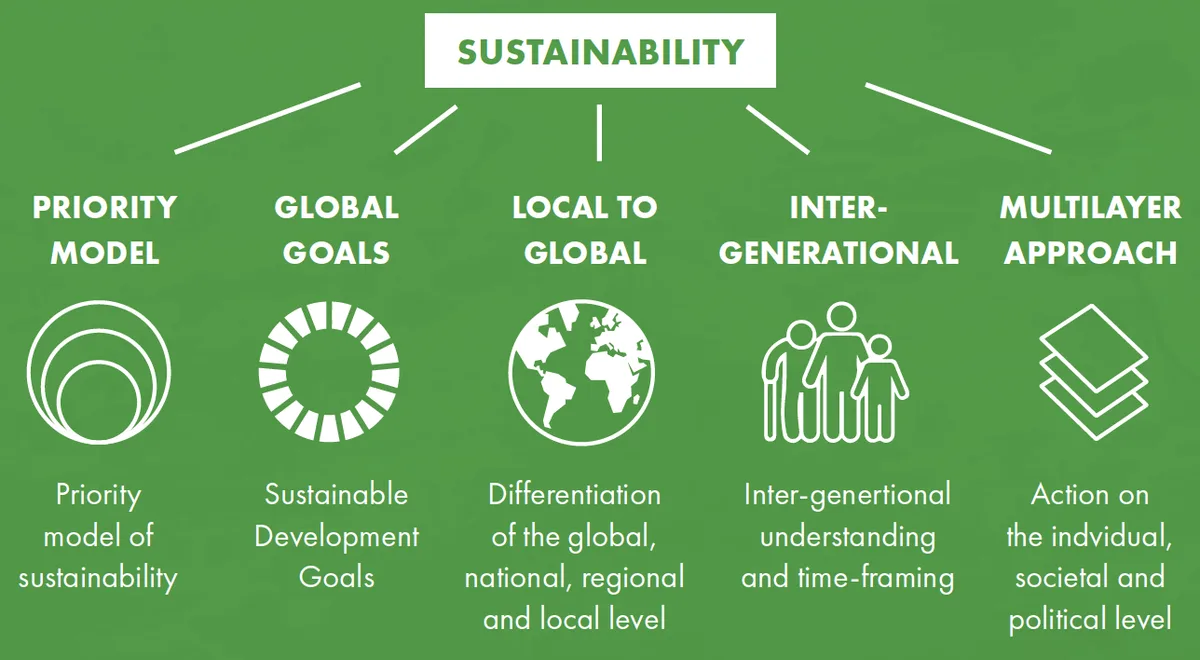
What the word actually means, where it came from, and how to tell a working program from a buzzword.

The job title is everywhere in hospitality. The work behind it is narrower, more technical, and more measurable than most operators expect.

Small brands move first on design, staffing and guest experience. Larger operators then copy what the numbers prove.

Skipping the daily clean saves minutes per room — whether those minutes become money depends entirely on scheduling, and the guest-exposure risk is real.

Each number answers a different operating question — and reading them without their partners hides more than it shows.

A full house can still lose money. How to spot the pattern where competitive pricing fills rooms but erodes average daily rate.

The Group's renovation and new-build programme now covers most of its hotels, with ten more Southeast Asia projects set for 2027.

The ratio banks watch before they refinance a hotel, and the operational levers that move it.