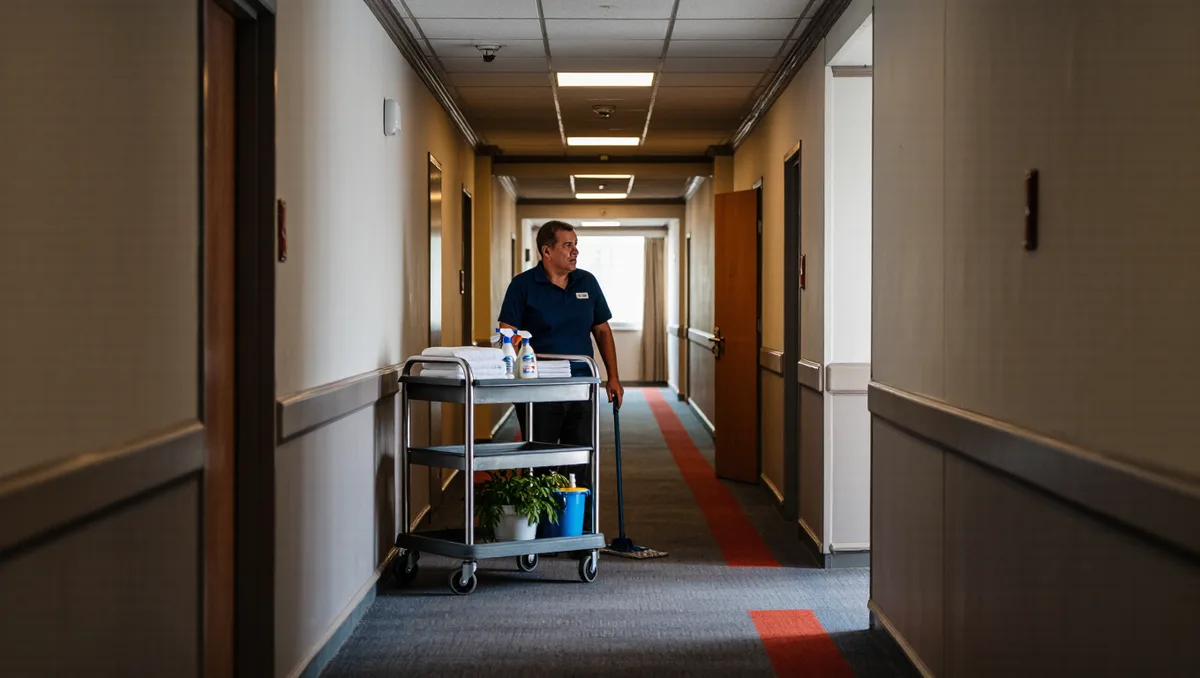
What a sustainability consultant actually does at a hotel
The job title is everywhere in hospitality. The work behind it is narrower, more technical, and more measurable than most operators expect.
Water, energy and waste performance measured against certification claims, with linen programs.
The job title is everywhere in hospitality. The work behind it is narrower, more technical, and more measurable than most operators expect.

The brand grew to more than 125 luxury properties in 2026 and named a recommended tech provider. Here is how an operator reads both moves.

Eco operations earn their keep on the P&L first. The marketing story comes second.

A hotel that tracks water in litres per occupied room can find leaks, pass certification audits and answer RFPs. One that tracks only the utility bill cannot.
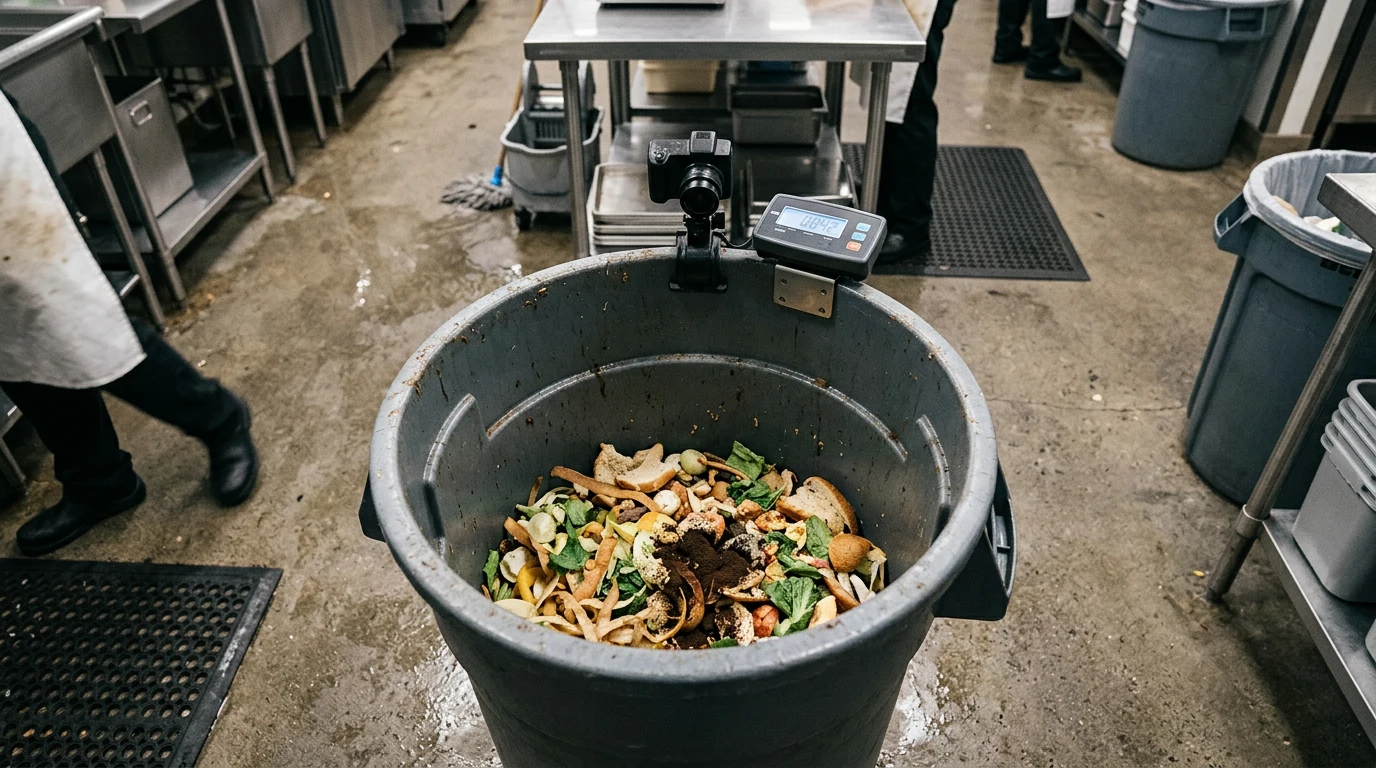
A camera-and-scale system now running in more than a thousand hotel kitchens promises double-digit cuts to food cost. Here is what is vendor-reported, what independent reporting confirms, and what it means for F&B margins.
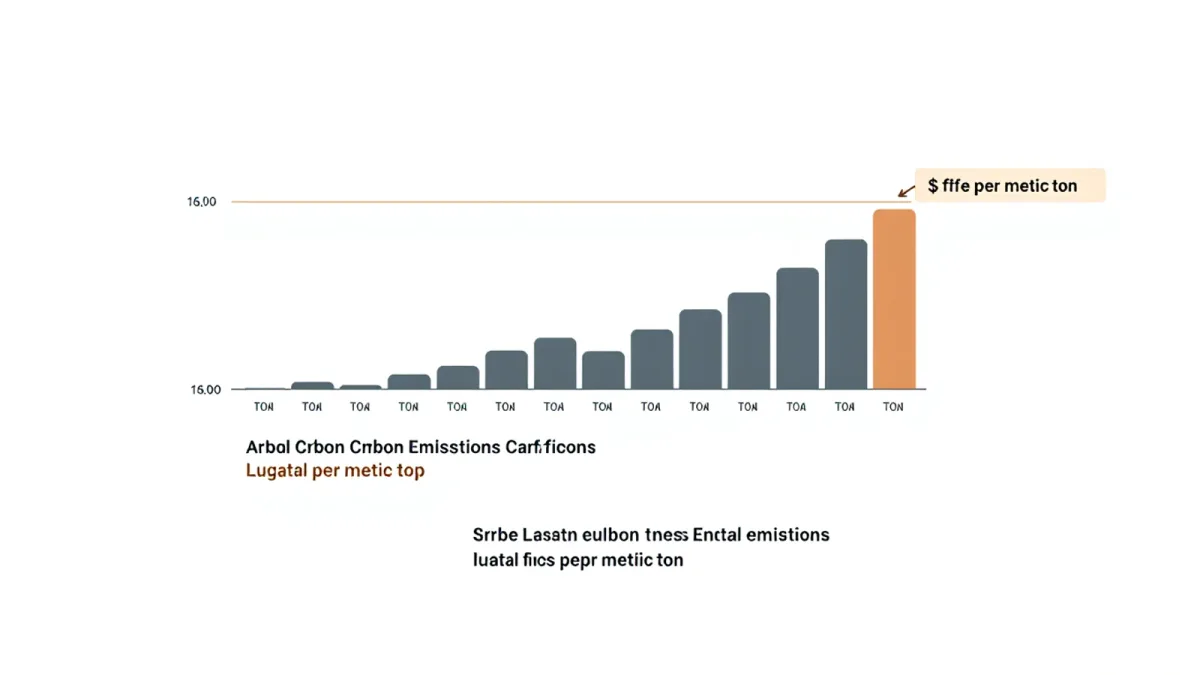
New York's Local Law 97 fines covered buildings $268 per metric ton of CO2-equivalent above their cap, and Boston, Denver, and Washington's performance rules push the same direction — turning hotel energy strategy into a compliance line.