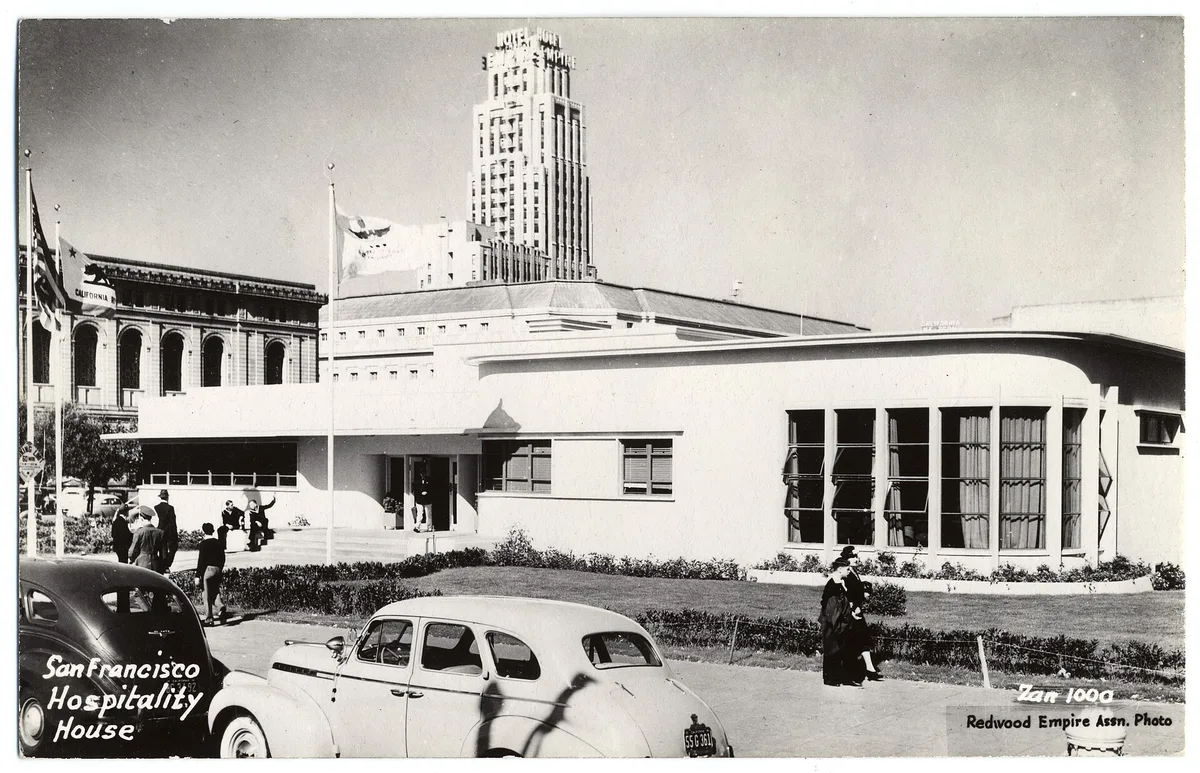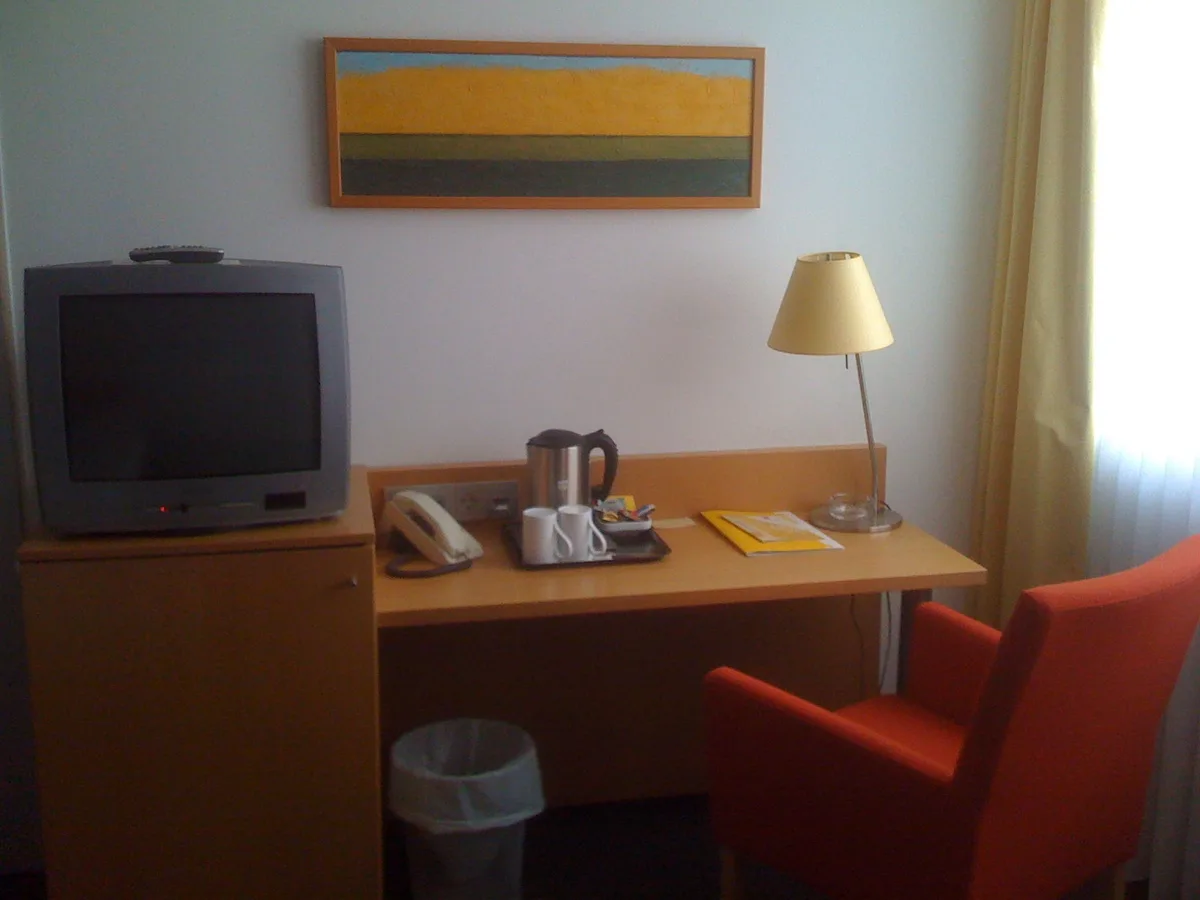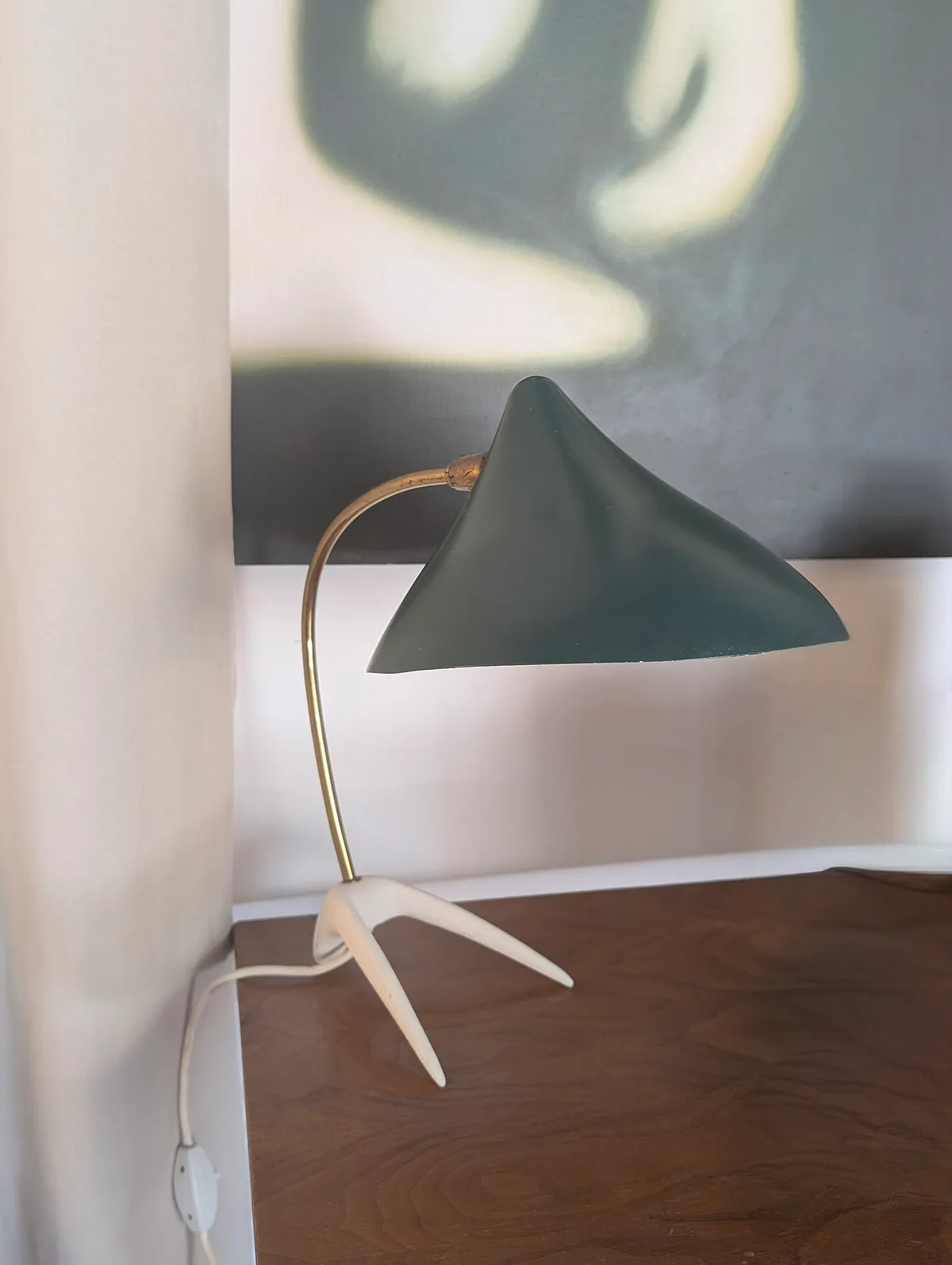
Mid century modern design keeps returning to hotel interiors. The original pieces solved problems hotels still have. They were built to last, they fit small footprints, and their lines age slowly. The style is marked by clean lines and a lack of ornament. Its peak ran from roughly 1945 to 1970. A documented comeback began in the late 1990s.
For operators planning furniture budgets, that staying power is the commercial story. Pieces specified once can ride out several restyling cycles. The archive behind them gives procurement a documented pedigree to buy against. Readers following this should also see FF&E procurement: where hotel furniture budgets blow up, and the contract terms that hold the line.
Where did the mid-century look come from?
The movement took shape across North America, Brazil and Europe from roughly 1945 to 1970. The term entered wide use after Cara Greenberg's 1984 book. It covered the furniture of the 1950s. The furniture favored molded plywood and honest materials. Those qualities happen to survive heavy hospitality use. Museums now treat the era as a significant movement. The mid-century modern reference records that standing.
The geography matters for buyers. The best-known studios worked on both sides of the Atlantic. Their outputs mix well. A property can build a mid-century scheme in stages, without a full refit.
Which hotel projects made the style canonical?
The clearest case is Copenhagen's SAS Royal Hotel. It was built from 1956 to 1960. Arne Jacobsen designed the building and its fittings, down to the shop's ashtrays. Design histories often call it the world's first designer hotel. The Jacobsen record shows his Egg and Swan chairs were created for that interior. His 1955 Seven Series set the light, stackable template banquet operations still buy.
Palm Springs supplied the other pole. Architects including William F. Cody and Albert Frey built desert lodging in the idiom. The Del Marcos Motel dates to 1947, the L'Horizon Hotel to 1952. Several of those buildings have since been restored toward original condition.
What does the style actually save an operator?
The economic argument is cycle length. Plain-lined pieces restyle with textiles and paint. Replacement can wait a cycle or two, and full furniture purchases stretch further. Secondary demand adds a hedge. Documented originals trade in an active collector market. A retired lounge chair can carry real value.
Museum standing reinforces the case. The Eames lounge chair and ottoman arrived in 1956, made of molded plywood and leather. Herman Miller manufactures and sells it. New York's Museum of Modern Art holds it in its permanent collection. That status keeps the spend defensible, not a fashion bet.
What does the style do for guest experience?
Furniture reads before anything else in a lobby. Mid-century pieces signal care without a word of copy. The chairs were drawn for sitting, not for photographs. Comfort holds up through a long stay. Guests notice the difference between a designed chair and a prop. They rarely name it, but they feel it.
Housekeeping feels the difference too. Exposed legs and open bases clean faster than skirted, heavy profiles. Stackable banquet chairs shorten turnover between events. Those are operating gains, not styling notes.
- Lobbies read as designed, not as decorated.
- Bedrooms hold a calm, plain backdrop.
- Banquet chairs stack and store in less space.
- Lounge seating invites a longer stay in the bar.
What should buyers check before ordering?
Licensing and materials come first. Authorized production determines warranty support. It also keeps replacements consistent across a fleet. Materials histories matter too. Early Eames shells carried Brazilian rosewood veneer. Production moved to other finishes in the early 1990s. Buyers with green standards should note that shift.
- Confirm authorized manufacture and warranty terms.
- Check veneer and finish against current standards.
- Ask for joinery rated for contract use.
- Document the design lineage for future refits.
Provenance is checkable. Museum collections, designer archives and documented hotel projects give buyers a paper trail. The difference from replicas shows in shell construction. It shows in finish durability under contract-grade use.
Conclusion: why does the style keep coming back?
Because it never fully left. The comeback that began in the late 1990s was a second act, not a revival from zero. The compact shapes suit the small rooms and open lobbies operators build now. The plain palette lets branding change without a refit. For hotel buyers, mid-century is a long-lived tool. It reads as intentional without dating the room. This connects to our earlier piece, Transforming hotel rooms: flexible design that sells one room as three configurations.
Budget math agrees. Spend shifts from ornament that dates to pieces that hold. That is the quiet reason the style keeps winning spec reviews.