
Housekeeping on request: what opt-out programs do to labor cost
Skipping the daily clean saves minutes per room — whether those minutes become money depends entirely on scheduling, and the guest-exposure risk is real.
Daily reporting on brand launches, management changes, labor disputes.
Skipping the daily clean saves minutes per room — whether those minutes become money depends entirely on scheduling, and the guest-exposure risk is real.

Each number answers a different operating question — and reading them without their partners hides more than it shows.
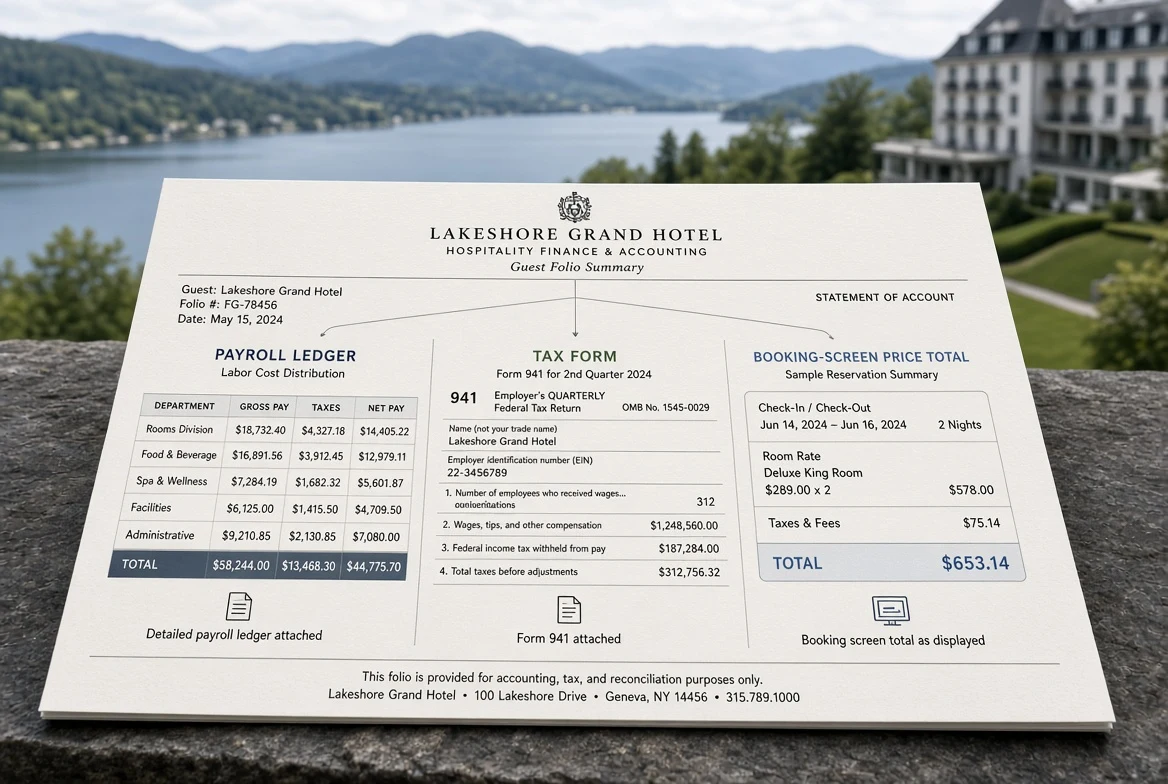
A mandatory resort, banquet or room service charge is wages under Labor Department rules, non-tip income under IRS reporting, and part of the advertised total price under the FTC fee rule that took effect in May 2025.
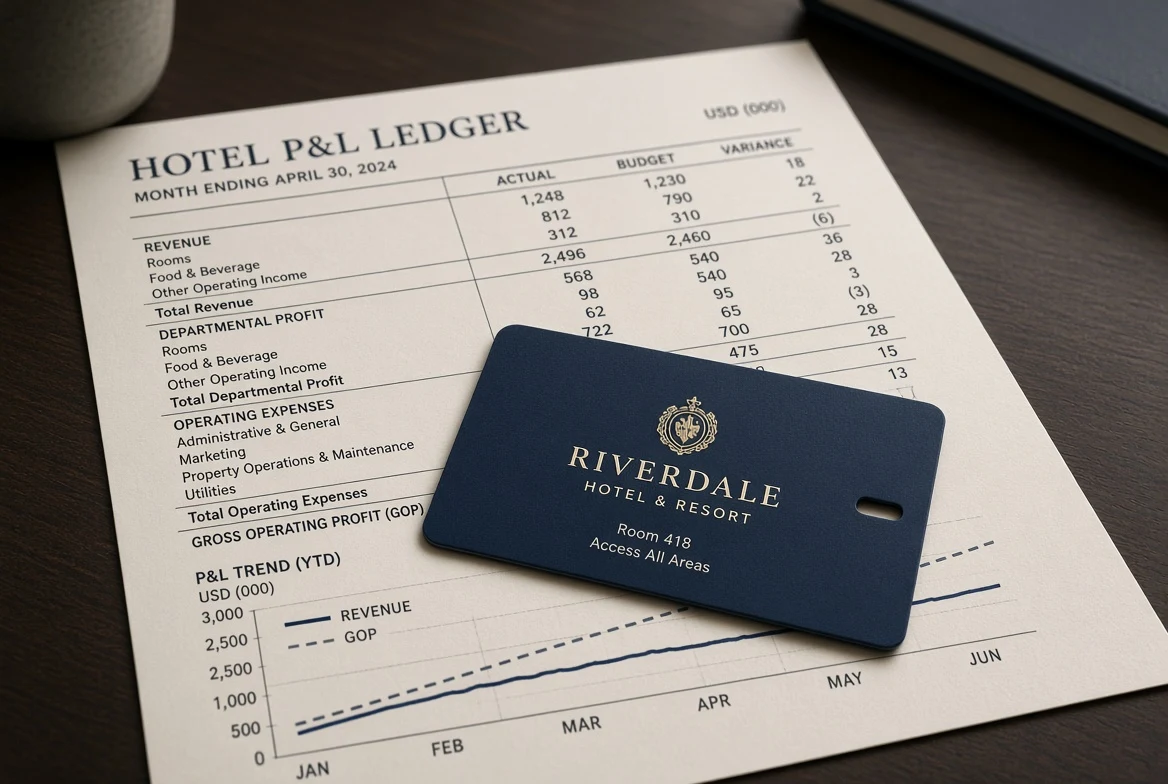
Gross operating profit per available room isolates what management actually controls. Here is how it is calculated, how it diverges from RevPAR, and what recent data shows about the gap between the two.
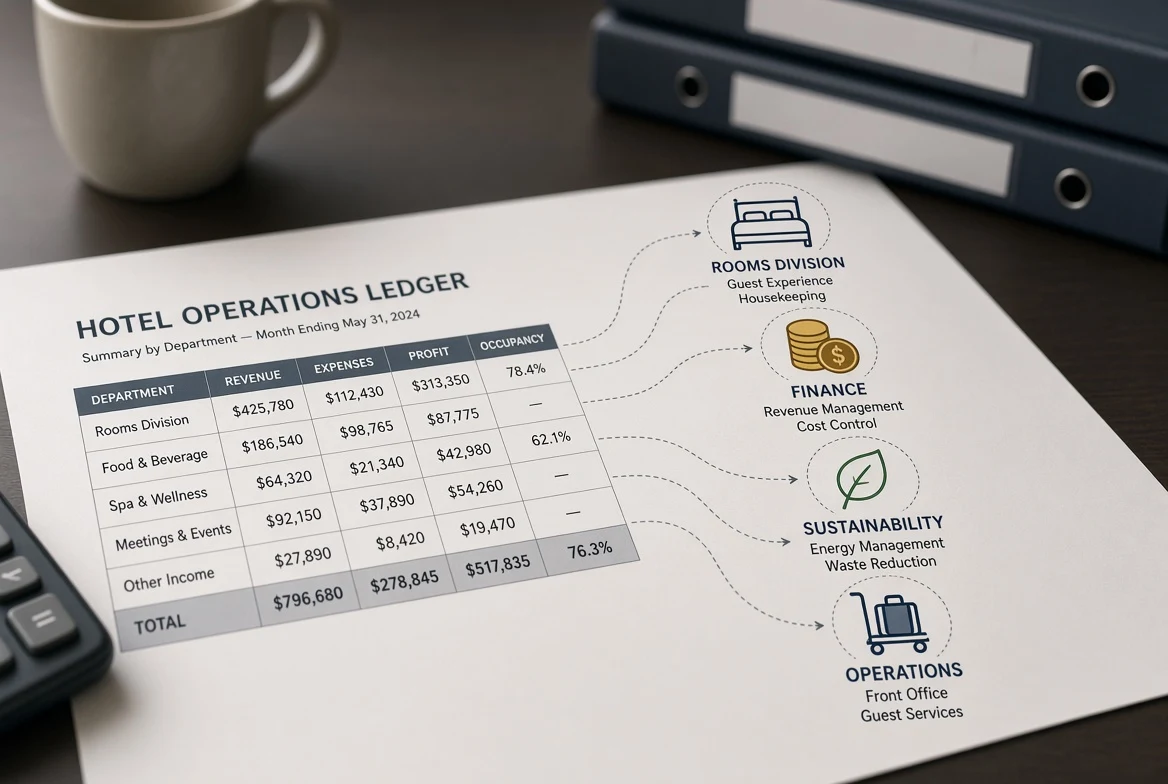
The accounting standard's new payroll, distribution-channel and sustainability schedules became mandatory in January, changing what finance teams have to track and disclose.
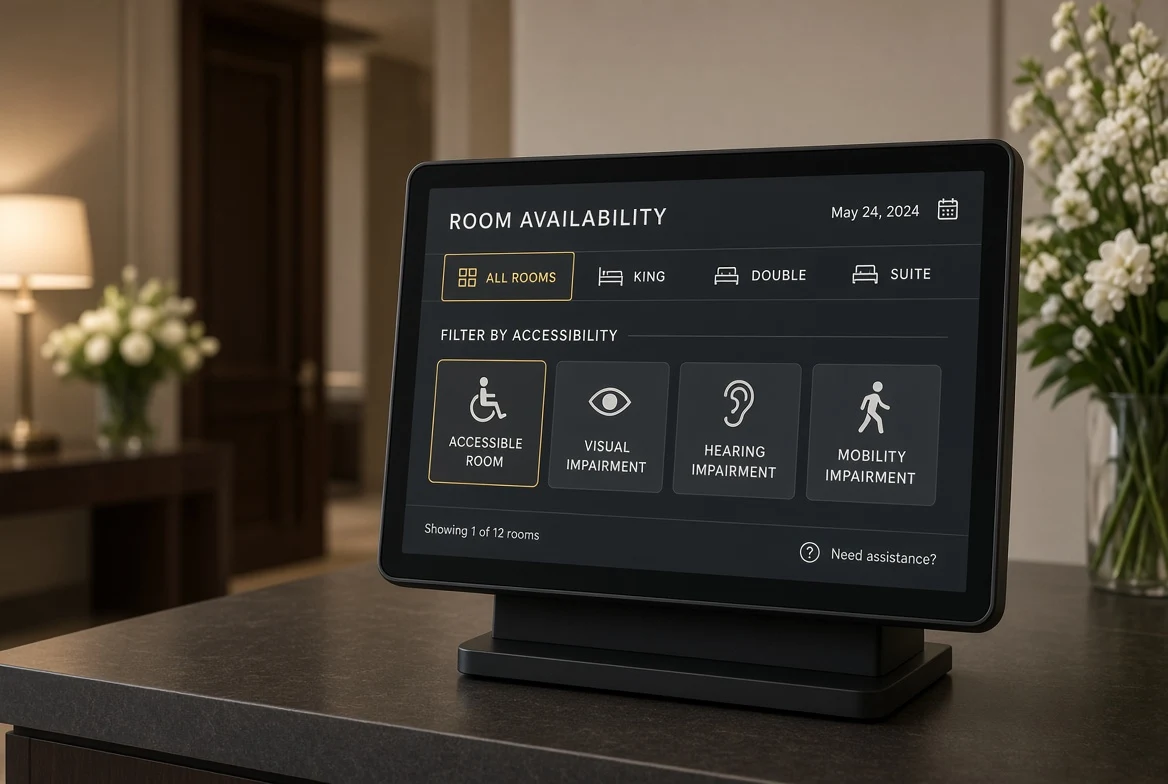
A 2010 regulation reaches into booking engines and front-desk procedure, not just building codes. Here is what hotels must do for guests who need mobility, hearing or vision accommodations.