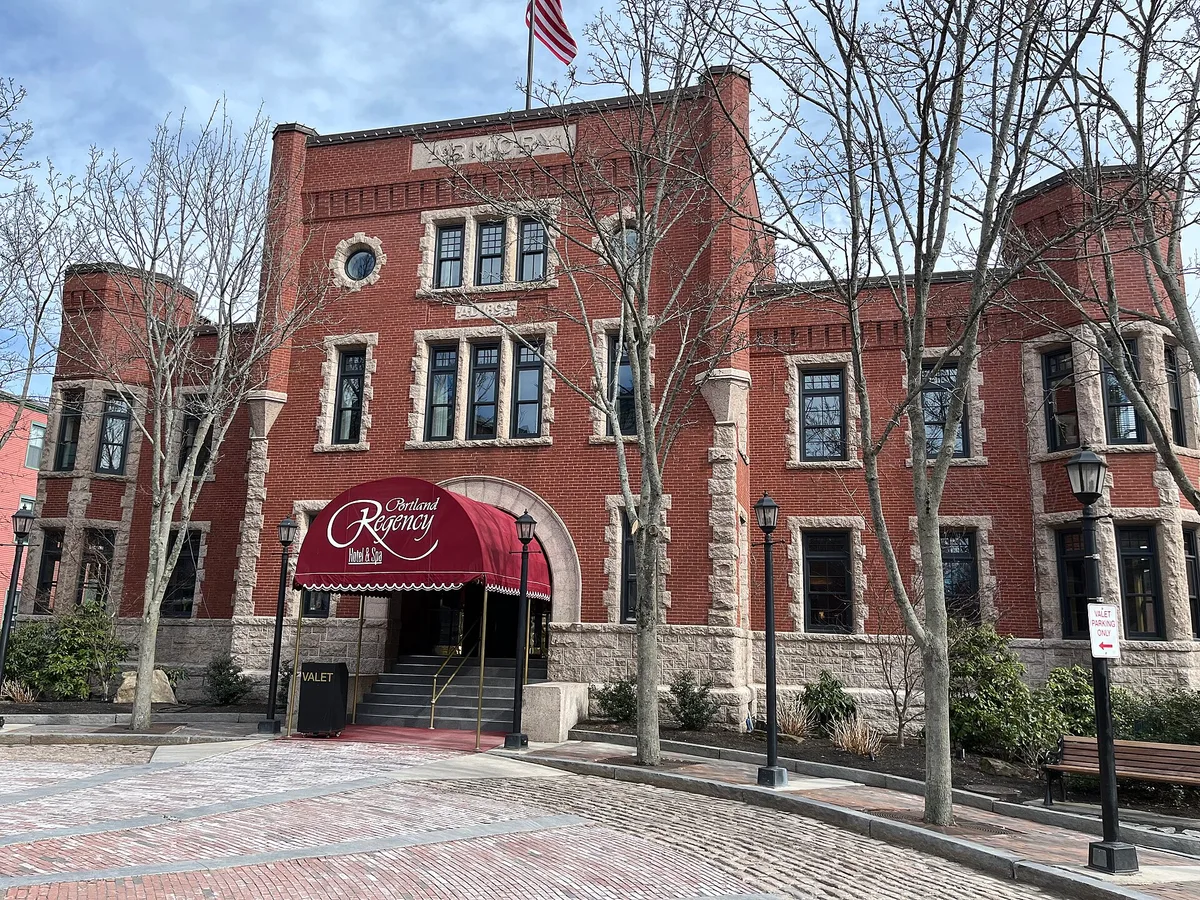
Portland, Maine hotels worth planning a trip around
A walkable itinerary built around boutique stays, the working waterfront, and the lobster docks — and how to book it without overpaying.
Property-level analysis of hotels and the groups operating them: room product, rate positioning against the competitive set, occupancy and length of stay, conversion projects and brand fit. Reporting treats each property as a business with a plan attached. Written for operators, owners and guests who read a hotel closely.
Hotels and groups assessed on room product, rate positioning.
A walkable itinerary built around boutique stays, the working waterfront, and the lobster docks — and how to book it without overpaying.

A small purchase under a standing program says more about capital discipline than about trading conviction.
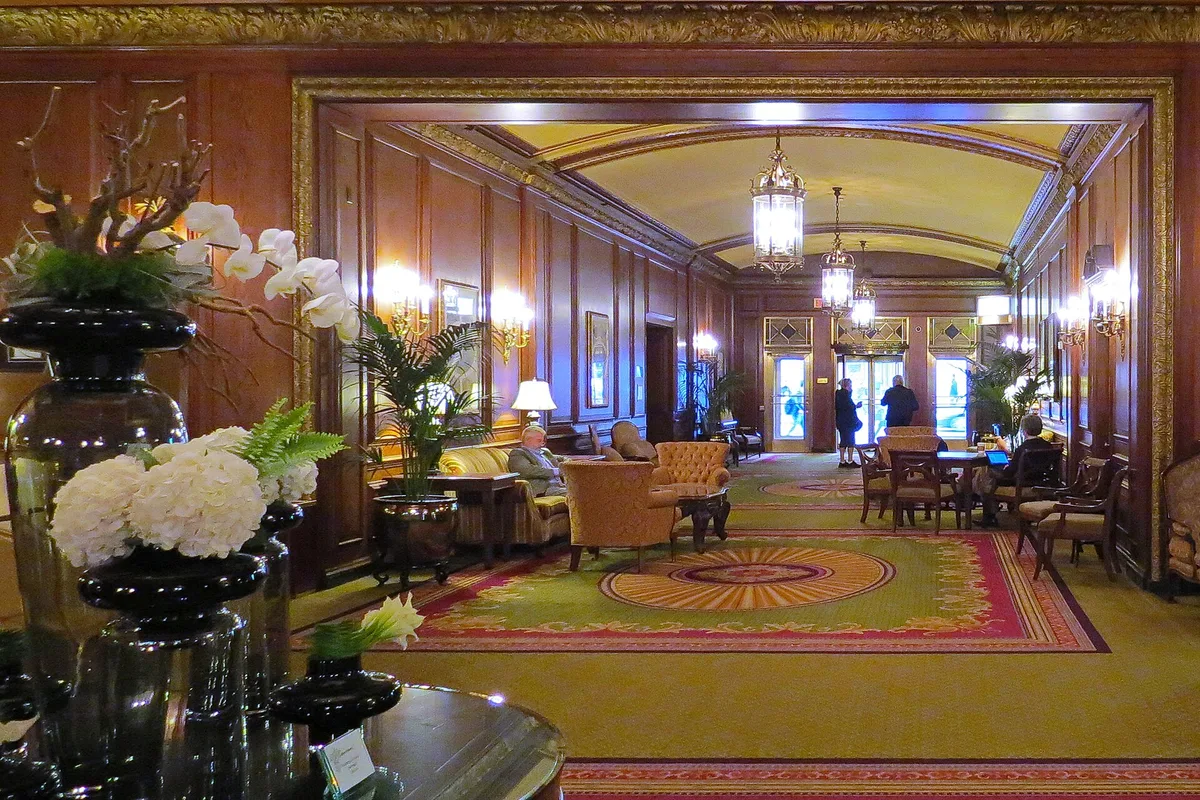
Back Bay, Seaport and Charlestown suit different travelers. Match the neighborhood to the trip, not the price screen.

A 50-key midscale signing beyond the metros reads as momentum. The evidence behind that reading is thinner than the release suggests.

Rate parity clauses look simple on paper. In practice, hotels price the same room differently across channels, and the gaps follow the economics, not the contract.
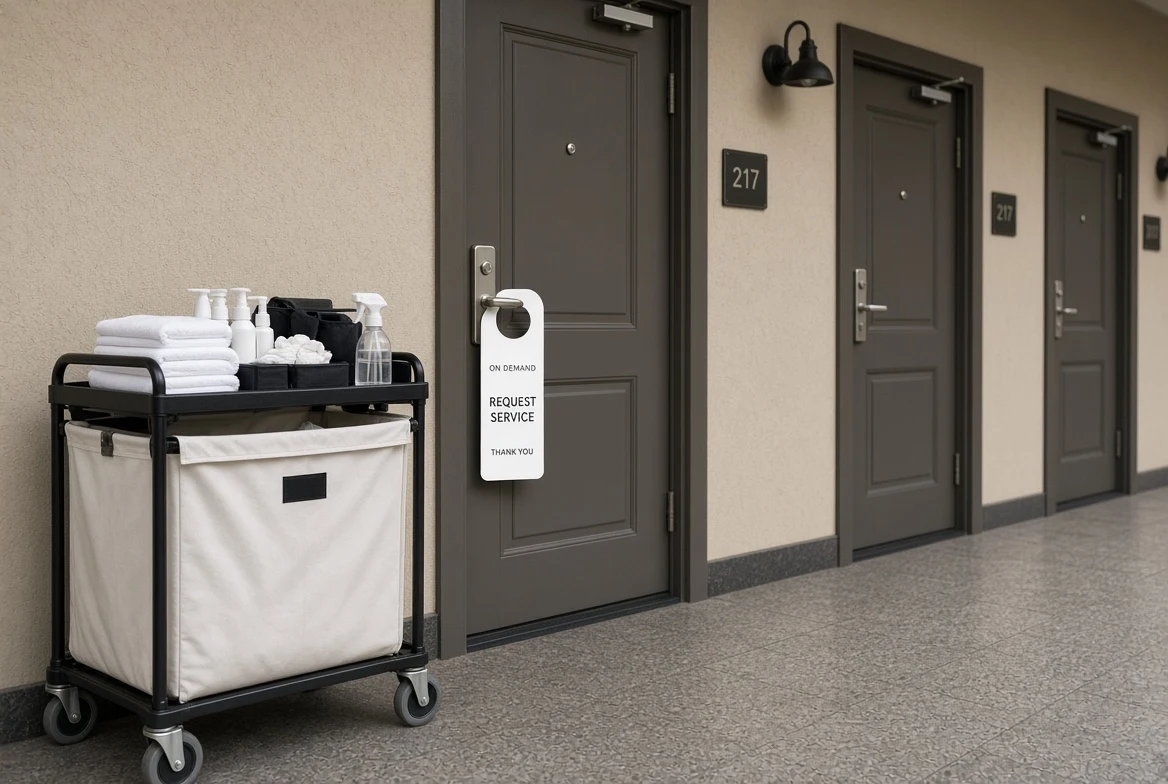
Most hotels now clean occupied rooms only when a guest asks. AHLA data shows why guests accepted it — and operators are still working out what it costs and saves.