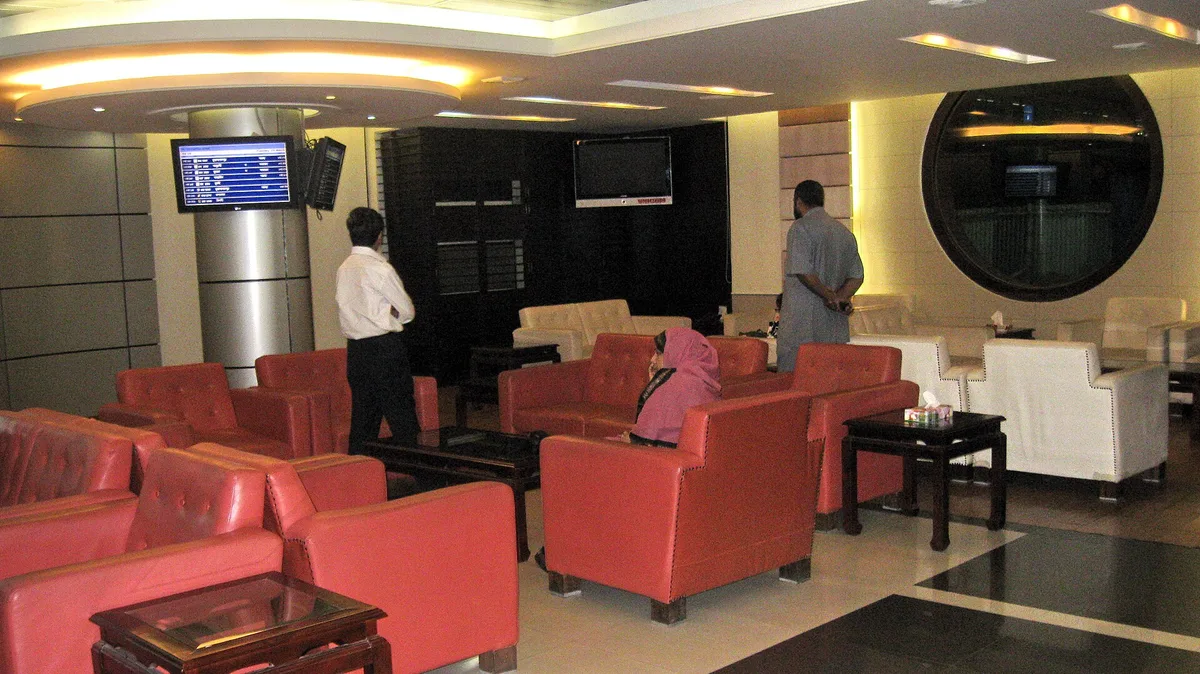
Good hotel lighting does two jobs at once. It helps people see clearly, and it makes a space feel a certain way. Lighting is the deliberate use of light to achieve practical or aesthetic effects. Corridors, lobbies, and lounges need both.
The simplest way to get this right is to think in layers. Lighting is classified by intended use as general, accent, or task lighting. Each layer has a job to do.
Ambient light: the base layer
Ambient light, often called general lighting, fills a space with even brightness. It is intended for general illumination of an area. Indoors, that can be as simple as a lamp on a table or a fixture on the ceiling. The basic aim of lighting within the built environment is to enable occupants to see clearly and comfortably. Readers following this should also see Lighting the guest room: layered light, warmer evenings, and why one ceiling fixture fails.
Daylight can act as ambient light too. Windows, skylights, and light shelves capture it for free. Proper lighting can also improve the look of an area and lift the mood of the people in it. In a corridor, the goal is steady light with no dark gaps and no harsh pools of brightness. Comfort is a design target, not an accident. Lighting design covers the relative distribution and direction of light so as not to cause unnecessary glare or discomfort.
Task light: where people read and work
Some spots need more light than the base layer gives. Task lighting is mainly functional and is usually the most concentrated. Reading is a classic case. A desk in a room, a reception counter, and a lounge chair all count as task areas. The amount of light needed to perform a task is one of the technical requirements of lighting design. Proper lighting can enhance task performance, so the goal is to put extra light exactly where the task happens. This connects to our earlier piece, Transforming hotel rooms: flexible design that sells one room as three configurations.
This is the layer guests notice least and feel most. Nobody praises a well-lit concierge desk. But everybody feels it when they have to squint while signing a folio.
Accent light: mood and direction
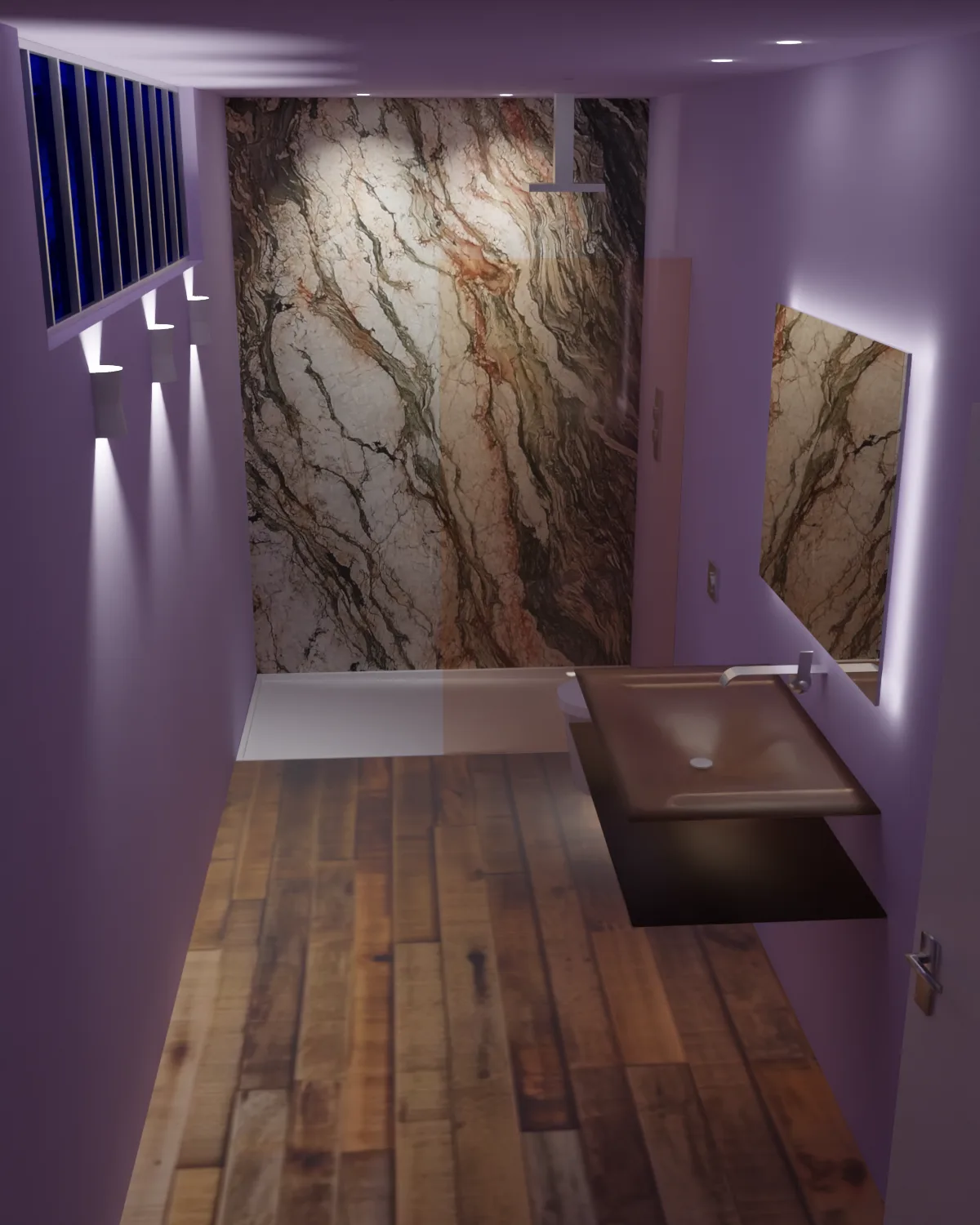
Accent lighting is mainly decorative. It highlights pictures, plants, or other elements of interior design. In a hotel it draws the eye toward art, textures, or a seating group, and it carries much of the mood of the space. Some fixtures are plain and functional. Some are pieces of art in themselves.
The visual side of lighting design is concerned with the aesthetics and narrative of a space, for example the mood of a restaurant. Light fixtures help here because they provide directed light. Shading the light normally decreases efficacy but increases directionality and visual comfort, which suits an accent fixture well.
Efficiency and the daylight factor
Layers also carry an energy bill. Artificial lighting represents a major component of energy consumption in buildings. Daylighting through windows, skylights, or light shelves can save energy, and it can even serve as the main light source during the day.
Fixture choice matters too. The energy consumed by the lighting within a space is a design requirement, not an afterthought. Luminous efficacy measures the usable light from a fixture per used energy, usually in lumens per watt. The more transparent the fixtures are, the higher the efficacy. In 24-hour spaces like hotel corridors, that difference compounds every single night.
This article is general information, not professional advice for a specific property.
Conclusion: Three layers, one calm result
Ambient light keeps people moving safely. Task light supports reading, work, and check-in. Accent light gives the space its character. Build the three layers deliberately, lean on daylight where it is free, and the result is a property that feels considered rather than merely bright.