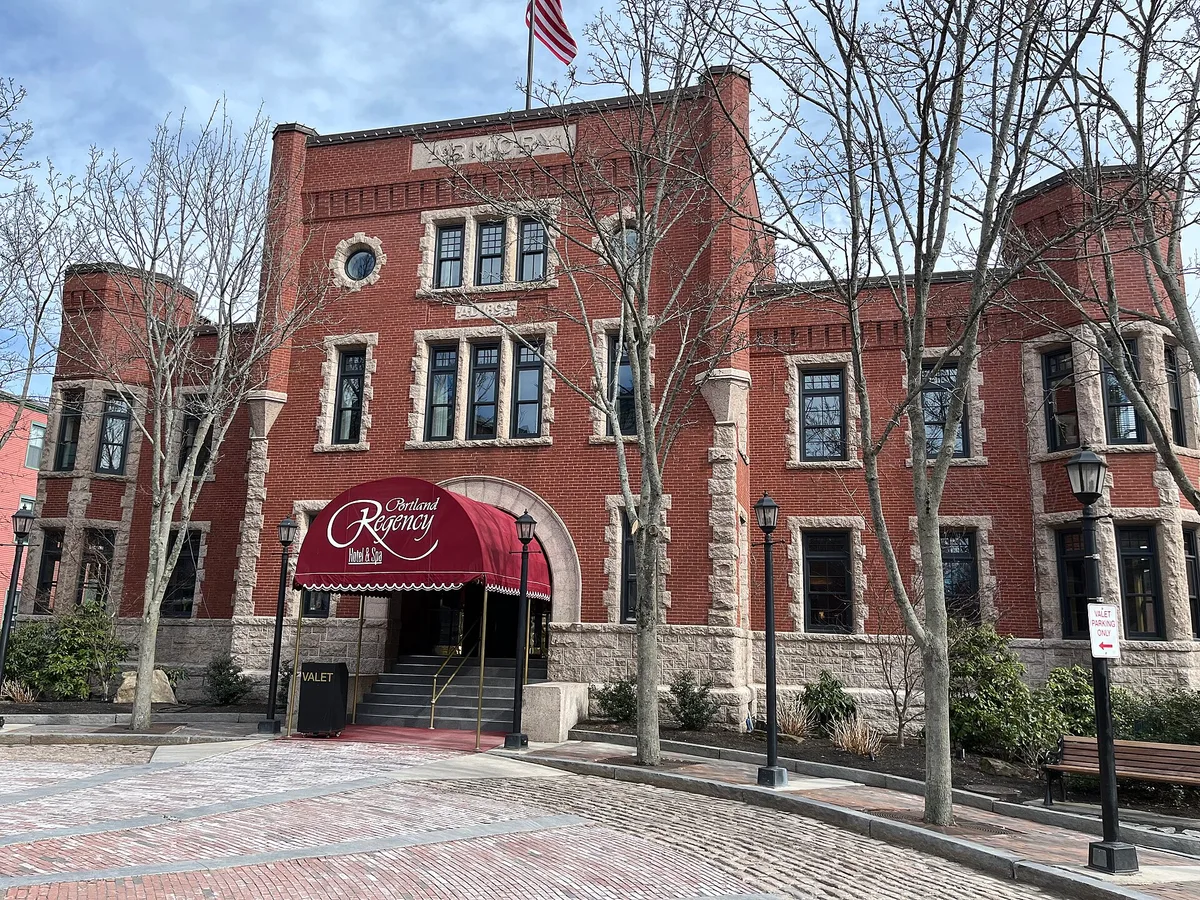
Portland, Maine is small enough that the right hotel puts nearly everything within walking distance. The city's core — the Old Port, the waterfront, the arts district — packs into roughly a square mile of cobblestone streets, brick commercial blocks, and working piers. Pick a hotel inside that footprint and a car becomes optional for the whole stay.
The planning question is not which neighborhood but which block. Hotels near the commercial waterfront trade on views and walkability. Hotels a few streets inland run quieter and often cheaper, while keeping the same ten-minute walk to the docks. This guide lays out how the city is organized, what a sensible two-day itinerary looks like, and where the booking math matters.
It is the kind of city where the hotel choice shapes the trip, which is why it rewards the same neighborhood-first approach used in a first-timer's guide to Boston hotels by neighborhood — only at a scale where one neighborhood is mostly enough.
How the city is organized, and why it matters for booking
Portland, Maine divides cleanly into three zones a visitor actually uses. The Old Port is the dense historic district: four- and five-story brick buildings holding restaurants, shops, and several of the city's boutique hotels. The waterfront sits just below it, a mix of cruise terminals, ferries, fish piers, and repurposed industrial buildings. The arts district runs along Congress Street, uphill from the Old Port, with galleries, theaters, and museums.
Everything a first-time visitor plans to do — eat, walk the piers, take a boat trip, browse shops — sits in or between those three zones. The practical consequence: a hotel in the Old Port or on the immediate waterfront covers nearly every itinerary on foot. A hotel near the airport or along the arterial roads saves money but converts the trip into a driving one, which defeats the main reason to come.
For operators reading this, the same geography explains the rate structure. Walkability is the product, and the properties that own it price accordingly.
What boutique means here, and what it costs
Portland's hotel stock skews independent and small. Many properties occupy converted commercial or industrial buildings — a common pattern in New England port cities — which produces the irregular room shapes, exposed brick, and small lobbies that get marketed as boutique. The label covers a range: some of these are design-forward independents with full-service restaurants, others are simply small hotels with fewer amenities and a period building.
On price, the honest answer is that it varies by season more than by brand. Coastal Maine runs a short, compressed high season, and rates in the same property can differ sharply between an August weekend and an October weekday. This is standard revenue management at work; the mechanics are covered in dynamic pricing in hotels: how BAR works, and where floors and ceilings belong. The practical takeaway for a leisure traveler is simple: shifting a stay by even a few days off the summer peak changes the rate more than switching properties does.
Our analysis of the booking pattern: decide the dates first, then the hotel. Travelers who fix the hotel first and then hunt for cheap dates usually end up either overpaying or settling for a property far from the water.
A walkable two-day itinerary
The city rewards a loose structure. A workable shape for a first visit:
- Day one, the Old Port and the piers. Start with the commercial streets, then work down to the water. The piers are public in most stretches, and walking them — bait sheds, moored boats, fish-handling operations — is the closest a visitor gets to the working harbor without a ticket.
- Day one, evening. Dinner in the Old Port. The restaurant density is the point; reservations are worth making on summer weekends when the town fills.
- Day two, the water. A boat trip out of the harbor — lobster-boat tours, ferry rides to the islands in Casco Bay, or a lighthouse run — anchors the morning. Book ahead in high season.
- Day two, afternoon. Walk uphill to Congress Street for the arts district: galleries, the museum, coffee, and the bookshops. It is a ten-minute climb from the waterfront, and the descent back through the Old Port at dusk is the best free thing in the city.
None of this requires a car. Parking in the Old Port is limited and paid, and the districts connect on foot faster than a car moves through them. Travelers flying in can reach the city center from the airport in minutes — the airport sits unusually close to downtown — which makes a car-free trip the default rather than a sacrifice.
The working waterfront and the lobster docks
What separates Portland from most New England destinations its size is that the harbor still works. This is a functioning fishing port, not a stage set of one. Fish piers operate, commercial boats unload, and the chandlers and bait suppliers that serve the fleet sit within a block of the restaurant strip.
For a visitor, this shapes two things. First, the best waterfront walks pass through active industrial areas — worth knowing before promising children a tidy harborfront promenade. Second, the lobster supply chain is visible: wharfs where catches land, dealers, and then the restaurants a few hundred yards away. Eating lobster here is a proximity story, and the short distance from dock to kitchen is the whole claim.
The tension between a working harbor and a visitor economy is a live operational question for the hotels on the water — noise, truck traffic, and views of a fish pier rather than a marina. Guests booking a "waterfront" room should read the view description carefully; waterfront can mean either side of that line.
What this means for how you book
Three practical rules follow from the geography and the rate structure. First, prioritize location over amenities: a modest room in the Old Port beats a full-service property requiring a drive. Second, book the shoulder seasons — late spring and fall — when the weather holds and the compressed summer premium eases. Third, check what the rate actually includes; smaller independent properties vary more on parking, breakfast, and pet policies than chain hotels do, and those line items move the real total. For travelers bringing a dog, the details that matter are laid out in pet-friendly hotel programs: what guests with animals actually get, pay, and must know. We covered a connected angle in Pet-friendly hotel programs: what guests with animals actually get, pay, and must know.
One more note on how cities package this. Destination marketing organizations increasingly publish planning hubs that bundle lodging, transit, and seasonal guidance in one place — the model is visible in Travel Portland's official trip-planning guide, published for the city's larger Oregon namesake, which points visitors to its hotel inventory, a car-free itinerary, and seasonal weather context. Portland, Maine's own visitor infrastructure follows the same pattern, and it is worth checking the local official guide before booking, since it aggregates seasonal events a hotel's concierge desk will not cover in depth.
What the evidence does and does not settle
What is established: the city's walkable three-zone geography, the dominance of small independent properties in the core, the compressed seasonality of the coastal rate structure, and the working-waterfront character that defines the harbor. What remains unknown from the available evidence: current rates at any specific property, which individual hotels are open or under renovation at the time of reading, and the exact seasonal calendar of harbor tours. Those change too fast for an evergreen guide to carry responsibly.
The durable advice survives that gap. Book the block, not the brand. Off-peak beats off-brand. And treat a Portland, Maine hotel as the base camp for a walking trip — because in this city, it is.