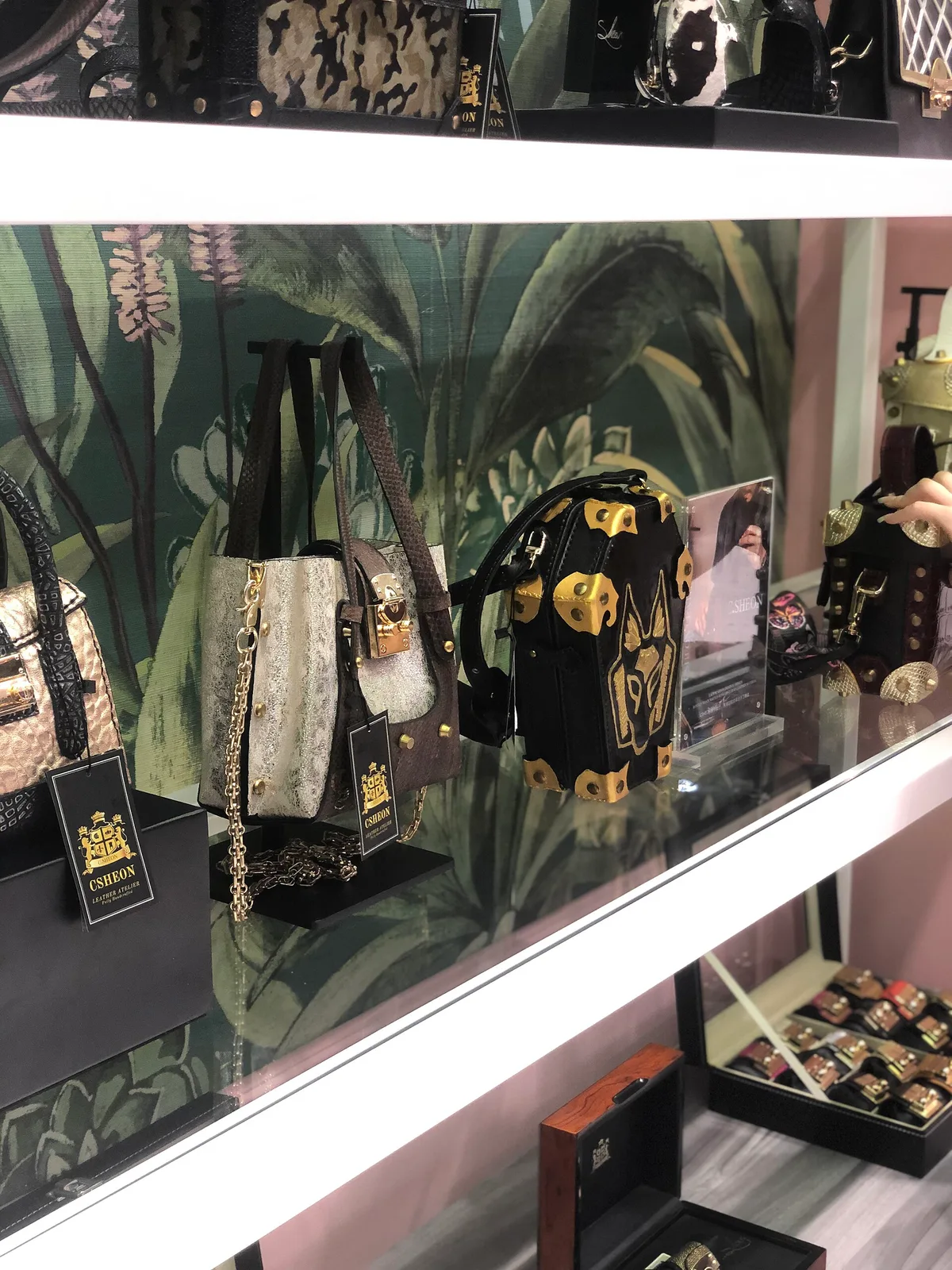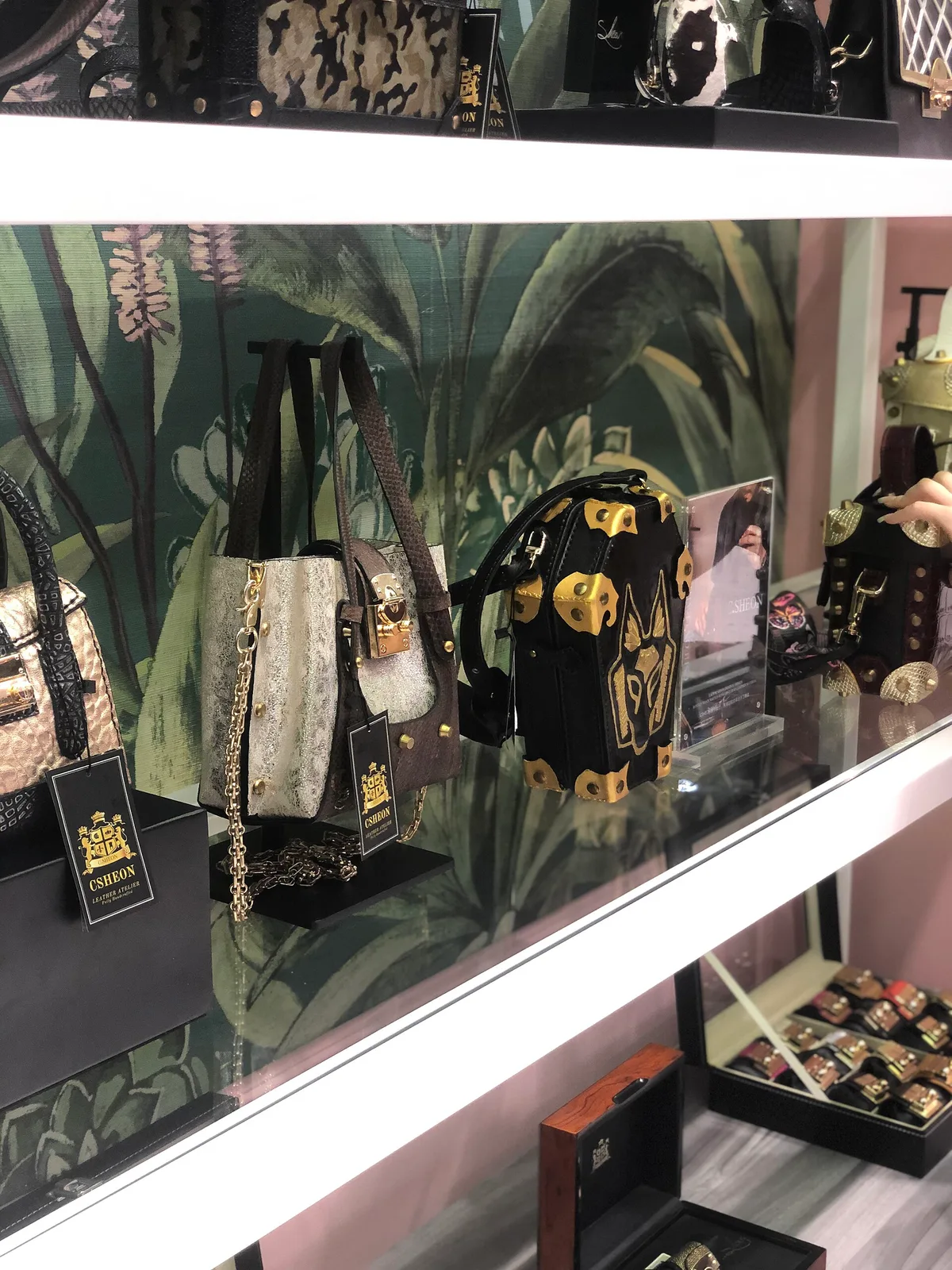
A designer bag is worth the investment when three things hold up: the stitching, the leather, and the demand for it after you stop carrying it. Miss any one of the three and the price tag is just a price tag. The good news is that all three can be checked by hand, in the shop, in about five minutes.
This is the same discipline hotel operators apply when they buy FF&E — furniture and fixtures chosen for how they wear by year five, not how they photograph on day one. The design questions are identical: what is the material, how is it joined, and what does maintenance cost. A bag is simply FF&E you carry. This connects to our earlier piece, FF&E procurement: where hotel furniture budgets blow up, and the contract terms that hold the line.
The craft logic is old. Gucci began in 1921 in Florence as a luggage maker for the upper classes, and the house's early product was judged by exactly these standards — would it survive the journey. According to FashionBeans, that luggage heritage is the origin story of many top luxury houses, and Aldo Gucci designed the "GG" logo in tribute to his father, a mark still prominent on Gucci products today.
What does good stitching actually look like?
Start with the seams. On a well-made bag, stitches are even in length, tight to the leather, and run in straight lines with no gaps at the corners. Corners and handles are where bags fail first, so inspect them hardest. If the stitching at a handle anchor wobbles or skips, the rest of the bag does not matter.
Count the stitches per inch in your head — more stitches generally mean more labor and more strength, but only if each one is consistent. Uneven spacing is a machine-tolerance problem, and it predicts early failure at stress points. Also check the thread itself: waxed linen or heavy-duty synthetic thread resists abrasion; thin, shiny thread frays.
Hand-stitching, where it is used, shows a slight, deliberate irregularity and often a saddle-stitch pattern — two needles crossing through the same hole. It is slower and costlier than machine work, which is why houses that still do it charge for it. Machine stitching is not a defect. Sloppy machine stitching is.
How do leather grades work, and what should you pay for?
Leather grading is simpler than the marketing suggests. Full-grain leather keeps the outermost layer of the hide, with all its natural marks. It is the strongest and it ages best, developing a patina — a soft sheen from handling and use. Top-grain leather has the very top layer sanded away to remove imperfections. It is smoother and more uniform, slightly less durable. Genuine leather is a lower cut, often corrected and embossed to look better than it is. Bonded leather is fragments glued together, and it peels.
Two practical checks work in the shop. First, press the leather: good hide springs back and shows a fine grain texture, not a plastic uniformity. Second, smell it — chemical or glue-like odors point to heavy finishing or bonded construction. Neither check requires expertise. Both require taking the bag seriously for five minutes before paying for it.
Hardware counts as part of the material story. Zippers should run smoothly with no catching, and metal fittings should feel heavy for their size. Lightweight, hollow-feeling buckles on a four-figure bag are a fair reason to walk out.
Why does brand heritage matter for resale?
Resale value is a demand question, not a quality question. A bag holds value when enough people want it after the original buyer is done — and heritage, recognizability and scarcity drive that demand. FashionBeans notes in its overview of top designer brands that a luxury label carries prestige and signals status, and that houses compete on different grounds: some on artisanal hand-made leather goods, some on heritage, some on marketing reach. The houses that compete on craft and heritage are, structurally, the ones whose older pieces keep an audience.
The GG logo is the case study. Because Aldo Gucci's mark has stayed in continuous use for decades, a used Gucci piece is instantly legible to a secondhand buyer. A house that reinvents its identity every few seasons forfeits that recognition, and its resale market thins accordingly.
Our analysis: treat resale as a bonus, not a return. The secondary market moves with fashion cycles, and no buyer should underwrite a purchase with expected resale proceeds. Buy the bag you will carry for ten years, and any residual value is upside.
What this means for your buying decision
A short checklist, in order of how often each item decides the purchase:
- Stitching: even, tight, and reinforced at handles and corners.
- Leather: full-grain or top-grain, with natural texture and no chemical smell.
- Hardware: smooth zippers, fittings with real weight.
- Lining: cleanly set, not glued or puckering.
- Design longevity: a shape you will still carry in ten years, from a house whose codes have stayed stable.
Price alone decides none of these. A cheaper bag that passes all five is a better investment than an expensive one that fails the first.
How hotels use the same buying logic
It is worth saying why a hospitality design publication covers handbags at all. The procurement logic transfers directly. Hotel operators choosing lobby seating or guest-room casegoods face the same trade: pay for full-grain materials and reinforced joinery up front, or pay for replacement and downtime later. The same holds for brand standards — a design identity that stays stable, like an enduring monogram, compounds recognition, while constant reinvention resets it to zero. That tension between design consistency and cost of maintenance runs through hotel branding just as it runs through leather goods. For related coverage, see Transforming hotel rooms: flexible design that sells one room as three configurations.
Wear is the honest judge of both. A bag after two years of daily carry and a hotel sofa after two years of turnover tell the truth that the showroom never does.
The bottom line on designer bags as an investment
The evidence supports a narrow claim, and it is worth stating precisely. Designer bags justify their price when the construction — stitching, full-grain leather, solid hardware — is genuinely superior, and when the house's design codes have stayed recognizable long enough to sustain a secondhand market. They do not justify price by the logo alone. Check the seams, press the leather, weigh the hardware, and only then consider the name on the front.