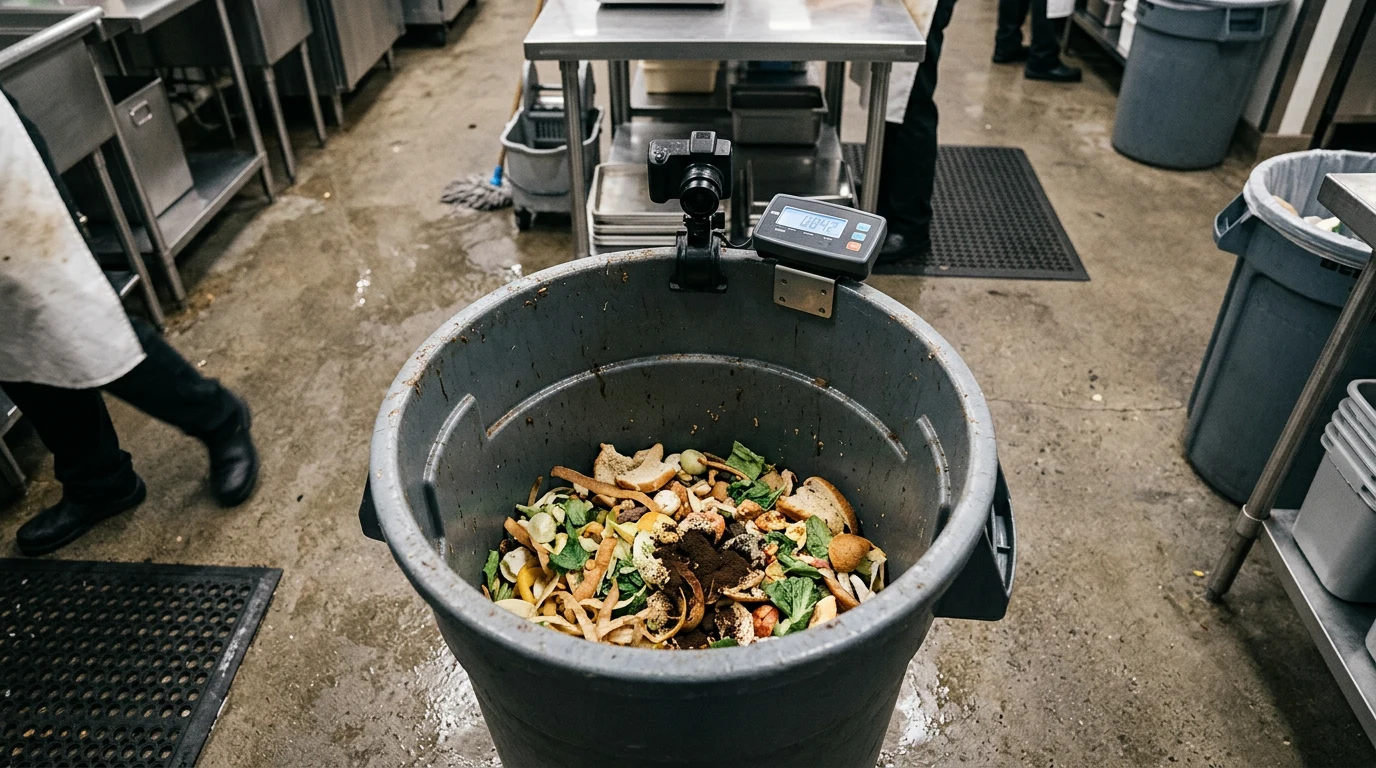
A camera-and-scale system now running in more than a thousand hotel kitchens promises double-digit cuts to food cost. Here is what is vendor-reported, what independent reporting confirms, and what it means for F&B margins.
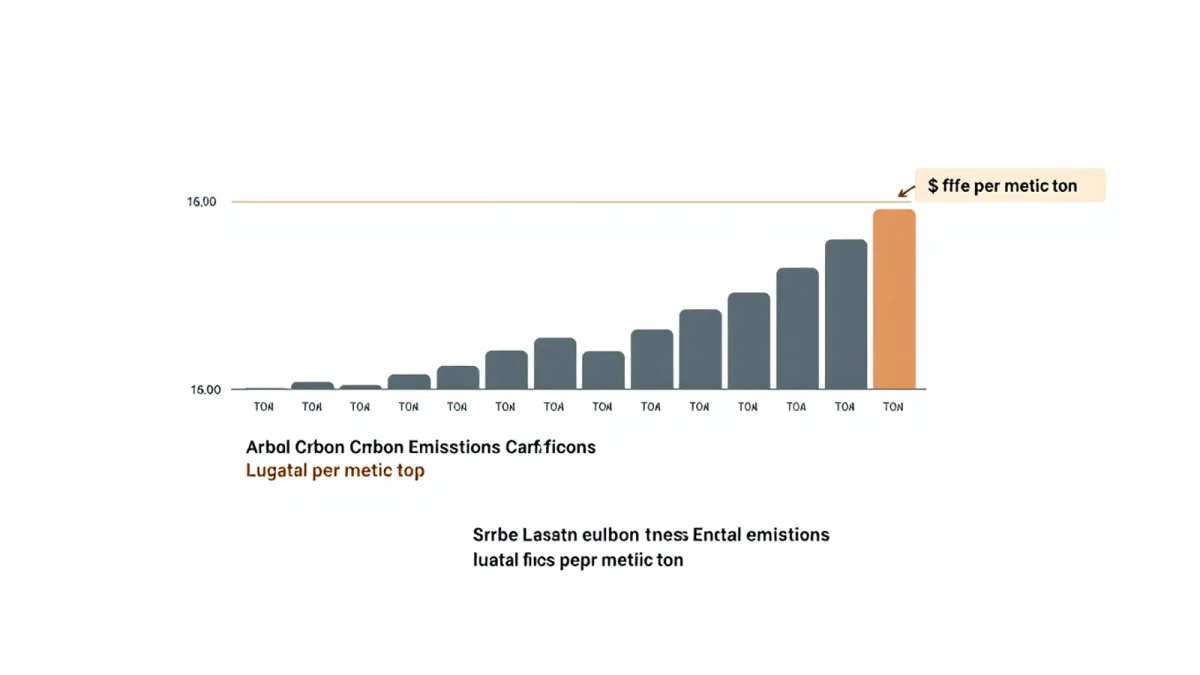
New York's Local Law 97 fines covered buildings $268 per metric ton of CO2-equivalent above their cap, and Boston, Denver, and Washington's performance rules push the same direction — turning hotel energy strategy into a compliance line.
Europe's sustainability reporting regime now reaches large companies with more than 1,000 employees, and hotel groups below that line still feel it through client questionnaires and value-chain data requests.
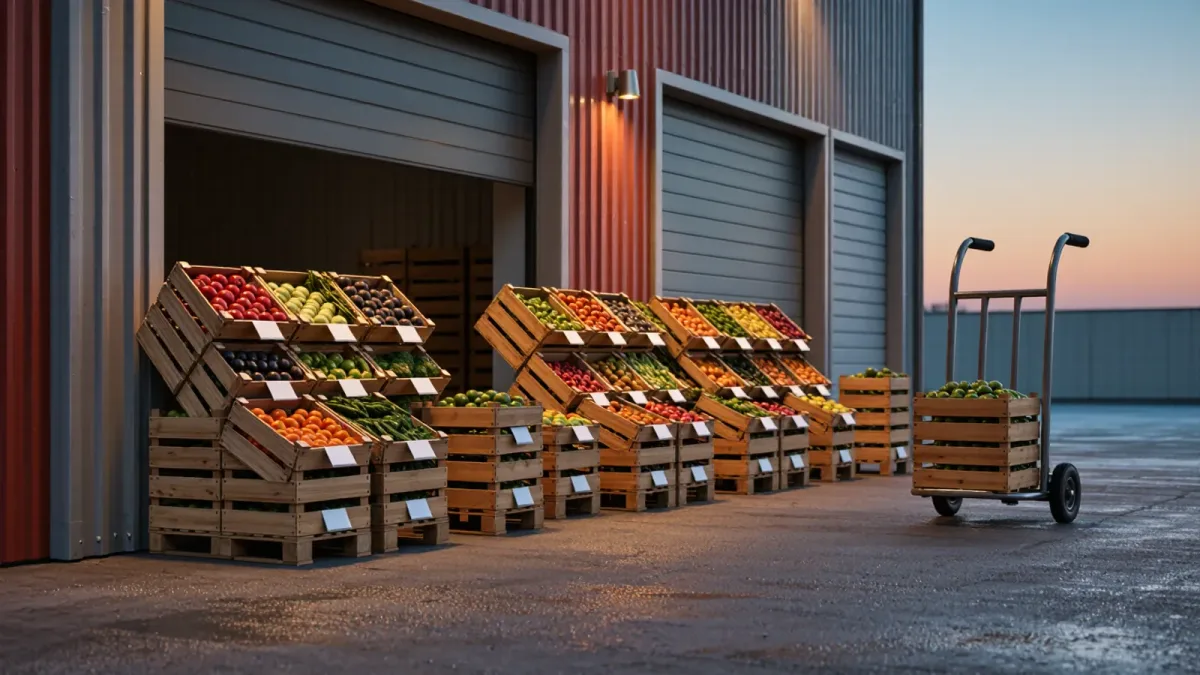
Buying from nearby farms delivers traceability, menu distinction, and community standing — but only the line items a kitchen can plan around survive the season.
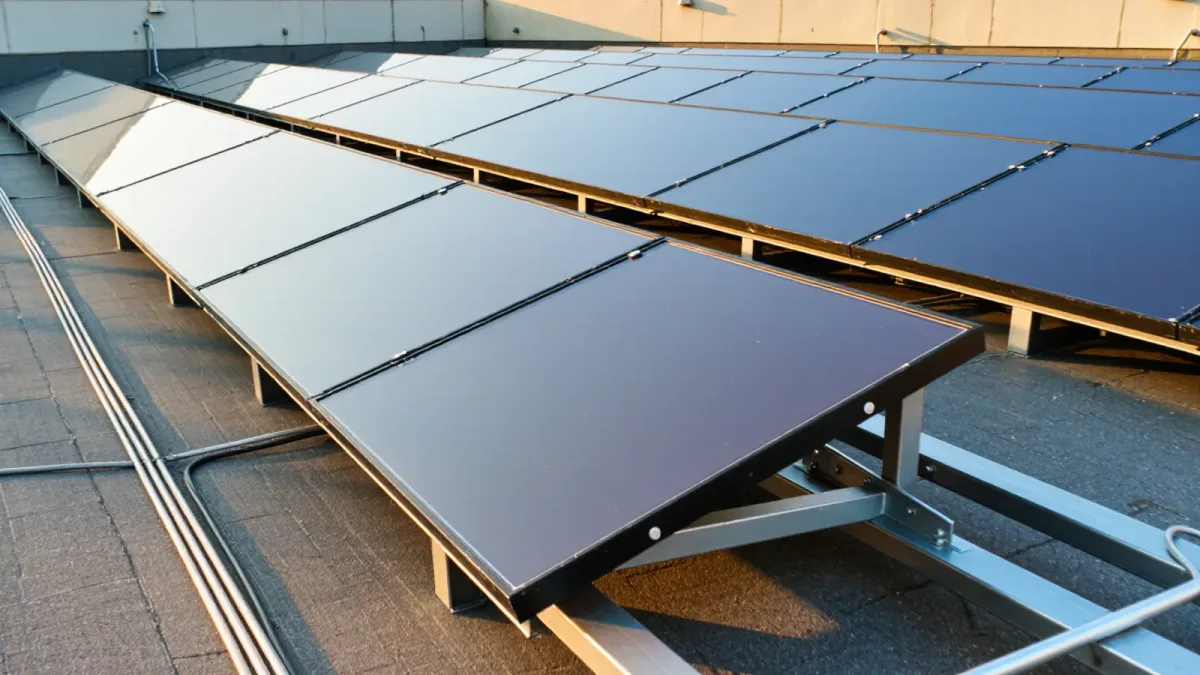
A power purchase agreement puts a third party's capital on the hotel's roof in exchange for a long-term electricity contract — no capex, a fixed rate, and a twenty-year commitment that owners must read like a lease.
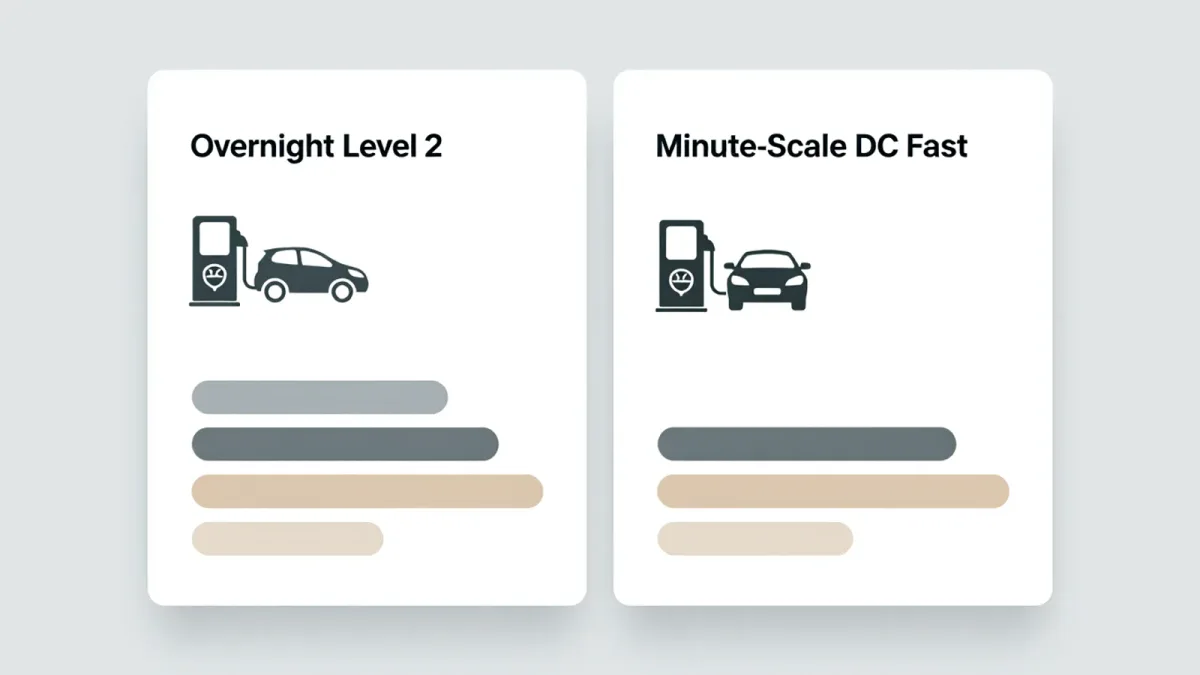
Level 2 chargers match the overnight stay and cost thousands per port; DC fast charging is a separate business with different economics — and federal incentives only cover part of the map.