
Hilton's pipeline nears half a million rooms as conversions grow
The company's development backlog hit a record at the end of 2024 — and the share of it coming from conversions rather than new builds is the operator story.
Daily reporting on brand launches, management changes, labor disputes.
The company's development backlog hit a record at the end of 2024 — and the share of it coming from conversions rather than new builds is the operator story.

Weekly STR/CoStar data put US occupancy at 67.6% in the week ended July 11, up from 63.5% the prior week, as FIFA World Cup demand peaked — with New York City posting the sharpest RevPAR gains among major markets.
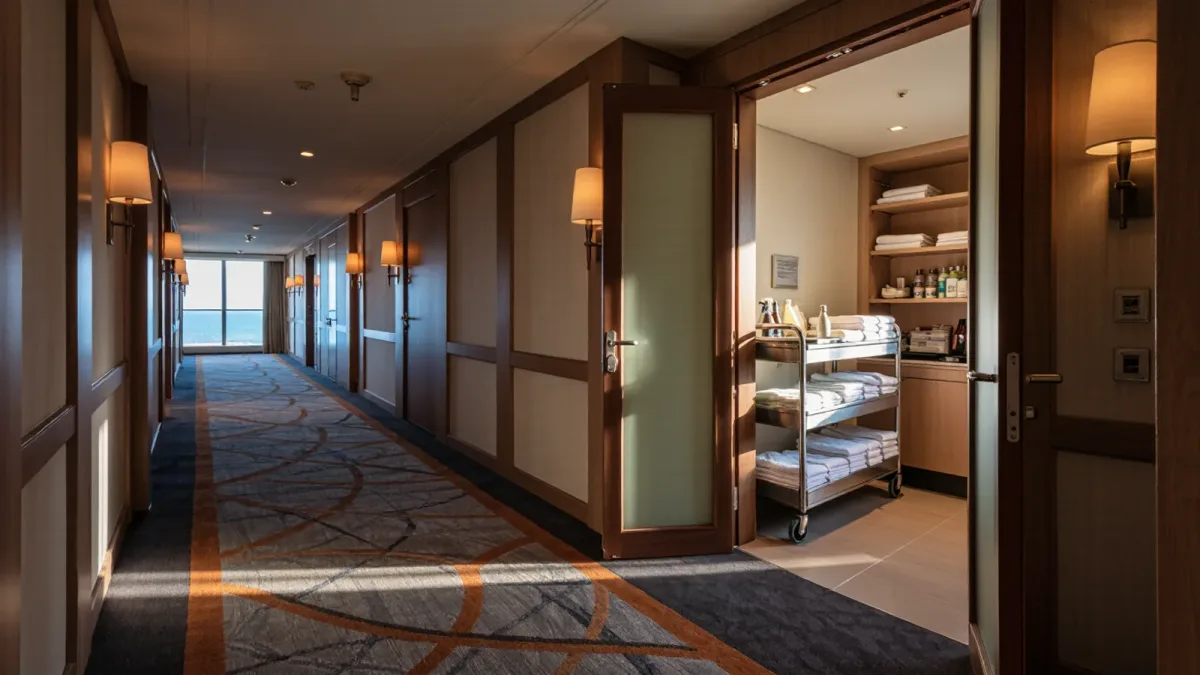
AHLA's outlook surveys put 75% of hotels increasing wages, with housekeeping the most-critical staffing need and most operators expecting 2026 demand to hold or strengthen — the backdrop to peak-season scheduling now underway.

The June 2026 forecast revision raises projected US RevPAR growth to 2.8%, with occupancy at 62.8% and ADR up about 2%, citing strong leisure and group demand and FIFA World Cup tailwinds, per CoStar and Tourism Economics.
Hyatt's pipeline hit a record 148,000 rooms at year-end 2025, per its January announcement, while US brand conversions reached a record 1,497 projects — up 12% year over year — making reflagging the industry's main growth engine.
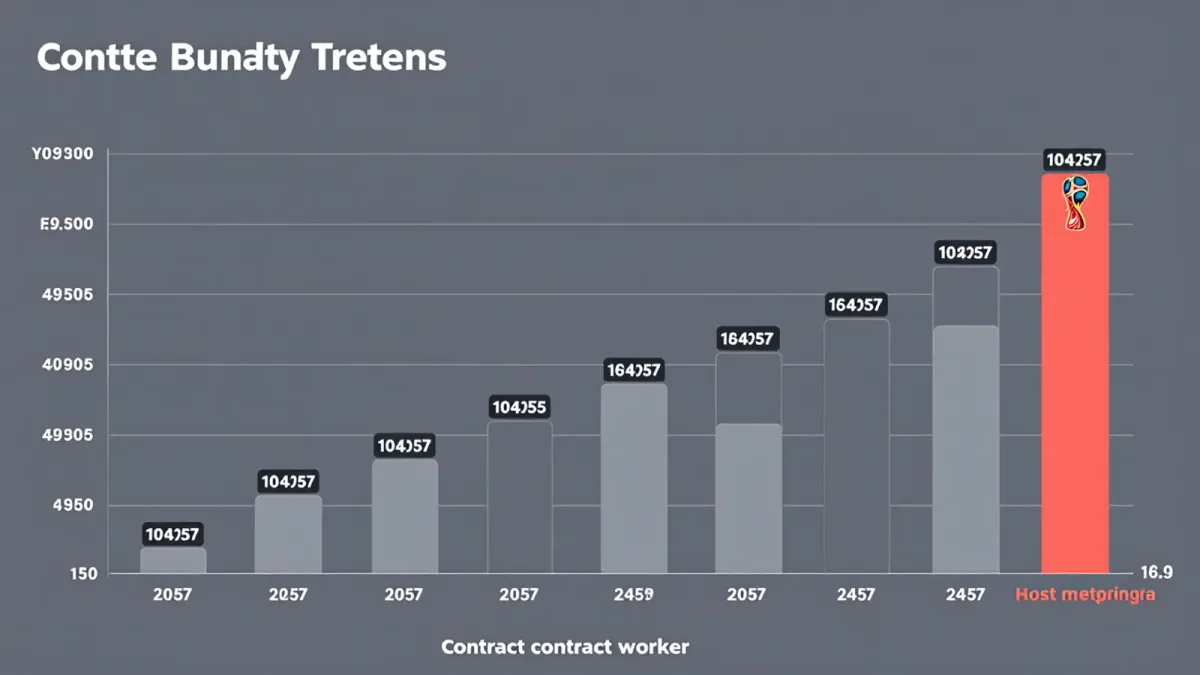
With more than 40,000 UNITE HERE hotel workers holding contracts up for renegotiation across 20-plus US cities — and the union warning of possible disputes in World Cup host markets — labor scheduling has become a summer-revenue risk for operators.