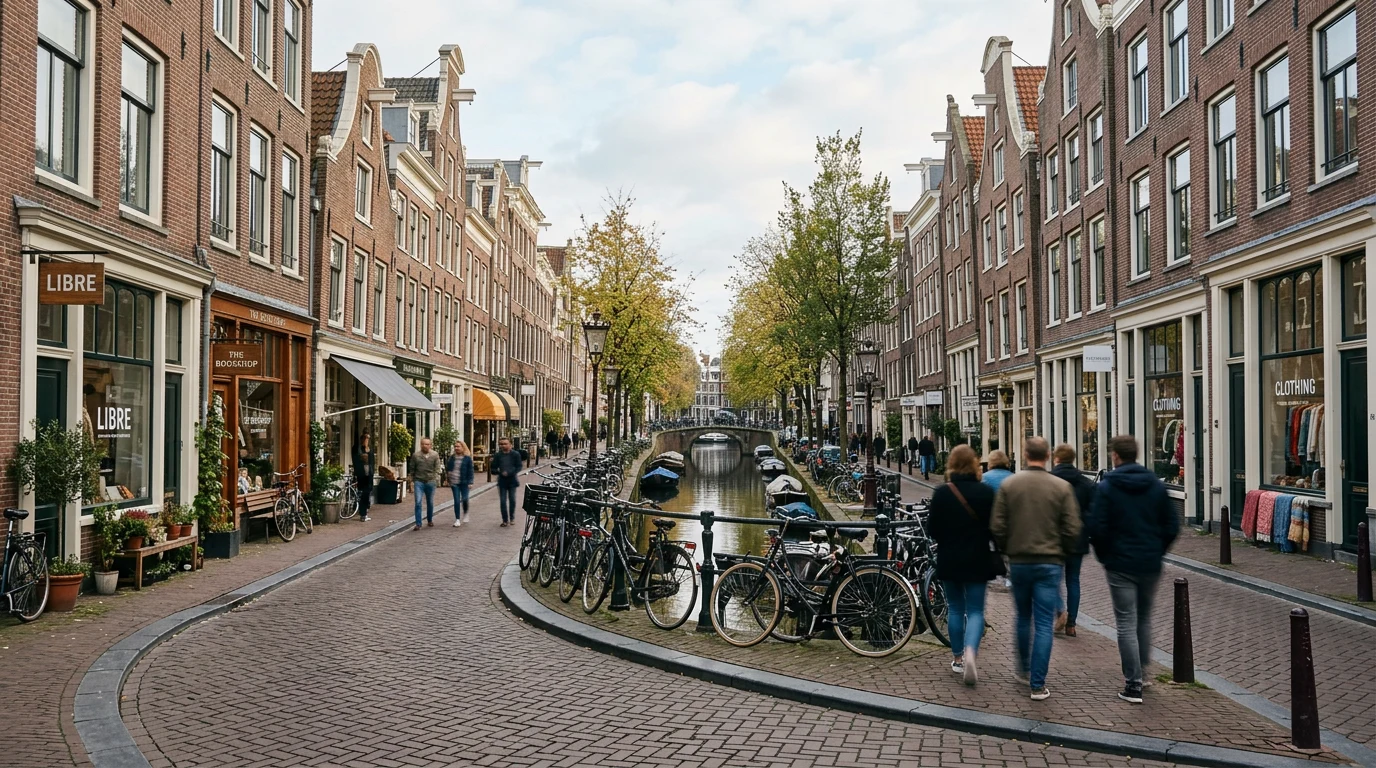
Travelers booking European city stays for summer 2026 face a widening spread of tourist taxes: Barcelona added a €5 per person per night municipal surcharge in 2026 on top of Catalonia's existing regional tax, effectively doubling the total, per reporting on Spain's visitor levies. Amsterdam retains Europe's steepest overnight tax at 12.5% of the room price — roughly €18 per person per night in central hotels — plus a cruise passenger levy of €14.50-15 per call.
The taxes are legal, collected at check-in or within the room rate depending on the property, and almost never included in the comparison rate a booking platform shows first — so they land as a separate line on the folio or an upfront request at the desk.
The main city rates for 2026
Barcelona's stack makes it one of Spain's most expensive overnight destinations: the regional Catalan tax plus the new €5 municipal surcharge puts five-star hotel totals in the €10-15 per person per night range, with short-term rental guests paying around €12.50, per published rate schedules. Amsterdam's percentage-based model scales with the room price, so luxury properties push the per-night cost well past the typical €18 midpoint. Venice continues its separate access fee for day visitors — 60 charged dates running April 3 to July 26, 2026 at €10 — while overnight guests there are exempt but must register. Other cities, including Rome, Paris, and Berlin, run per-night tiers by hotel category at lower but non-trivial amounts.
How to budget for the folio
Three practical rules. Treat €3-20 per person per night as the realistic tourist-tax band for major Western European cities in 2026, scaling with hotel category. Check whether the quoted rate includes the tax: platforms in some markets display it as included, in others as payable at property, and the difference can move a comparison by double digits on a week-long stay. And keep small cash or a working card at check-in, since many independent properties collect the tax on arrival before the room is accessed.
Why the taxes keep rising
The 2026 increases continue a deliberate pattern: cities are pricing overtourism management — sanitation, transit, housing pressure — into visitor levies rather than general taxation, per National Geographic's analysis of where the money goes. For hotel operators, the taxes are pass-throughs, but the compliance burden and the guest-friction at check-in are not, and both grow with every new surcharge.