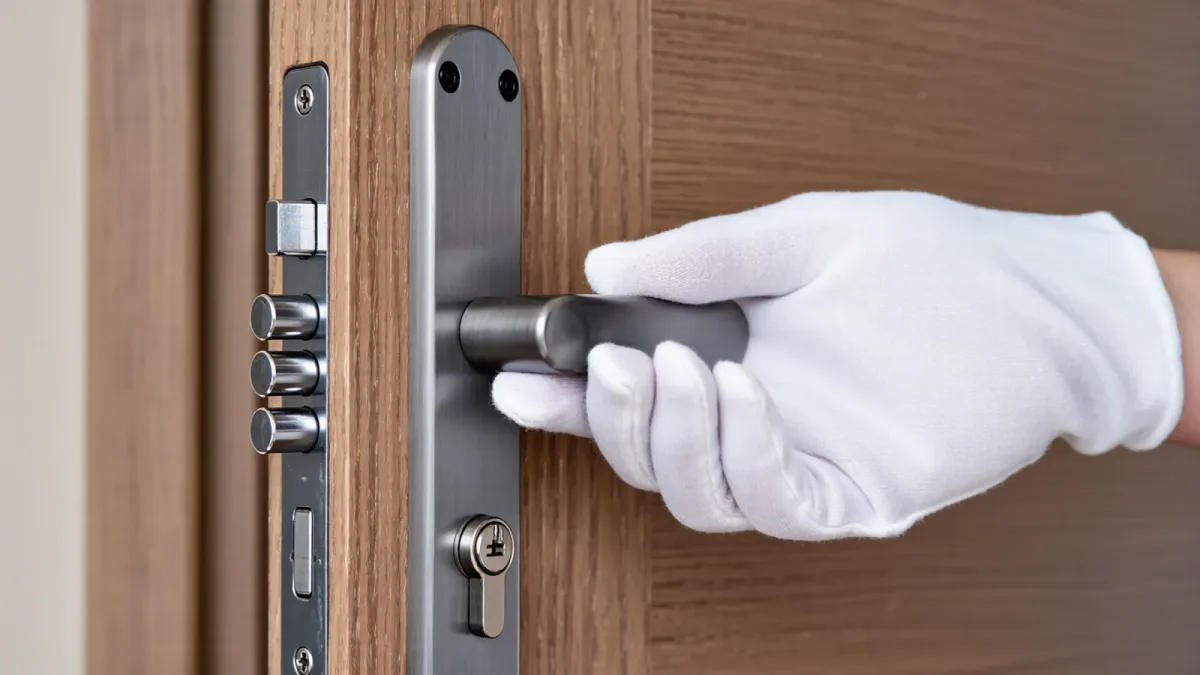
Duty of care is the legal obligation of a hotel to take reasonable steps to protect guests and employees from foreseeable harm — safe premises, functioning locks, adequate lighting, trained staff and workable emergency procedures. It is not a marketing promise; it is an enforceable standard, and failures in it are the basis of most premises-liability claims against hotels.
This article reviews the operational components of that standard. It publishes information, not legal advice; specific situations belong with counsel.
What does reasonable care look like in operations?
The components are unglamorous and checkable: functioning deadbolts and viewers on guest room doors; controlled key issuance and rekeying after key-loss events; lighting on stairwells, parking areas and corridors; functioning cameras in public and back-of-house areas, operated within privacy law — never in guest rooms; floor and spill protocols that make slips defensible; screenable window locks; and staff training to recognize and escalate security concerns without improvising confrontations.
US workplace safety obligations run through the Occupational Safety and Health Administration, whose general duty clause requires employers to keep workplaces free of recognized serious hazards — a standard that covers staff exposure to violence, hazardous chemicals and ergonomic injury, not just guest-facing risk.
What does an incident protocol need to contain?
Incidents are where care and liability records meet. A defensible protocol includes: immediate safety response and medical access; scene preservation where appropriate; a factual incident report written promptly, without speculation about fault or legal conclusions; notification obligations under the property's insurance and, where applicable, local law; and follow-through — corrective action documented, so the property can show it fixed the condition. Reports that speculate about fault create discovery risk; reports that record facts create defense.
Who is covered — guests, staff, visitors?
All of them, with different vectors. Guests via premises liability; employees via workplace safety law and workers' compensation; contractors and visitors via the same premises duties. Staff-facing risk deserves particular attention in hotels because the exposures are structural: lone working on overnight shifts, room-entry procedures, handling of aggressive situations, housekeeping chemical handling. A program that guards only the guest-facing surface misses half the ledger.
What does the risk cost, uninsured?
Beyond insurance, negligence events cost in four currencies: judgments and settlements; business interruption while areas close; rate and brand damage when incidents become public; and staff attrition from unsafe-feeling workplaces. Safety spending, by contrast, is one of the few risk lines that also improves guest scores — well-lit parking and working locks appear directly in review content.
Duty of care is a floor, not a program. Operators who translate it into checklists, training hours and honest incident records meet the standard; those who treat it as a legal abstraction meet it once, in court, at a higher price.