Food and beverage is the largest non-rooms revenue line in most full-service hotels, and its profitability varies more than any other department: two properties with identical occupancy can run F&B from solidly profitable to structurally loss-making depending on breakfast economics, outlet count and banquet mix. In industry operating data such as CBRE's Trends in the Hotel Industry reports, F&B profit margins run far below rooms margins, which is why the department's design decisions deserve financial scrutiny.
The question for operators is not whether to have F&B, but which components are designed to earn and which are designed to sell rooms.
Is breakfast a profit center or a rate tool?
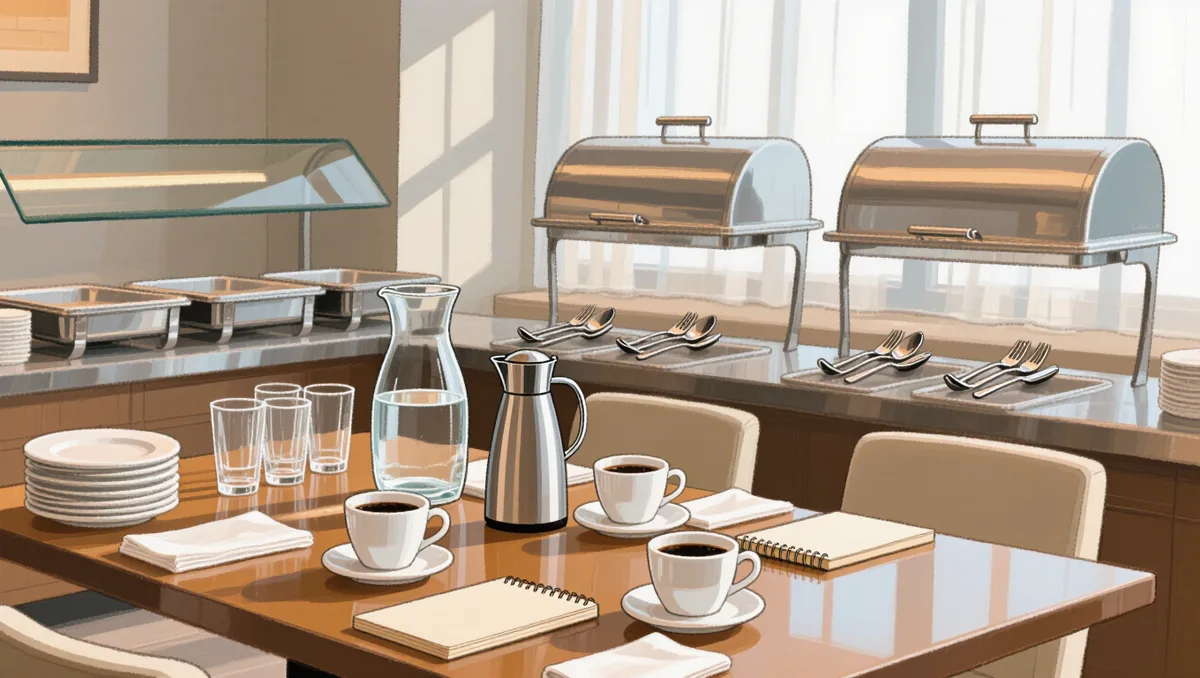
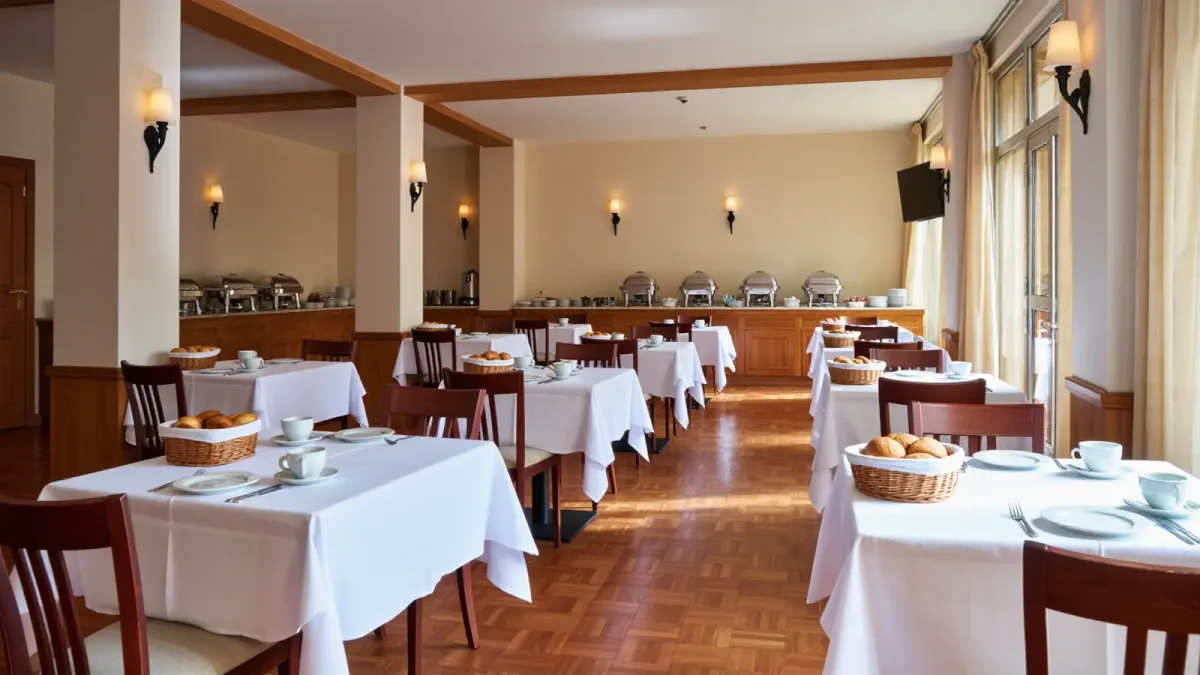
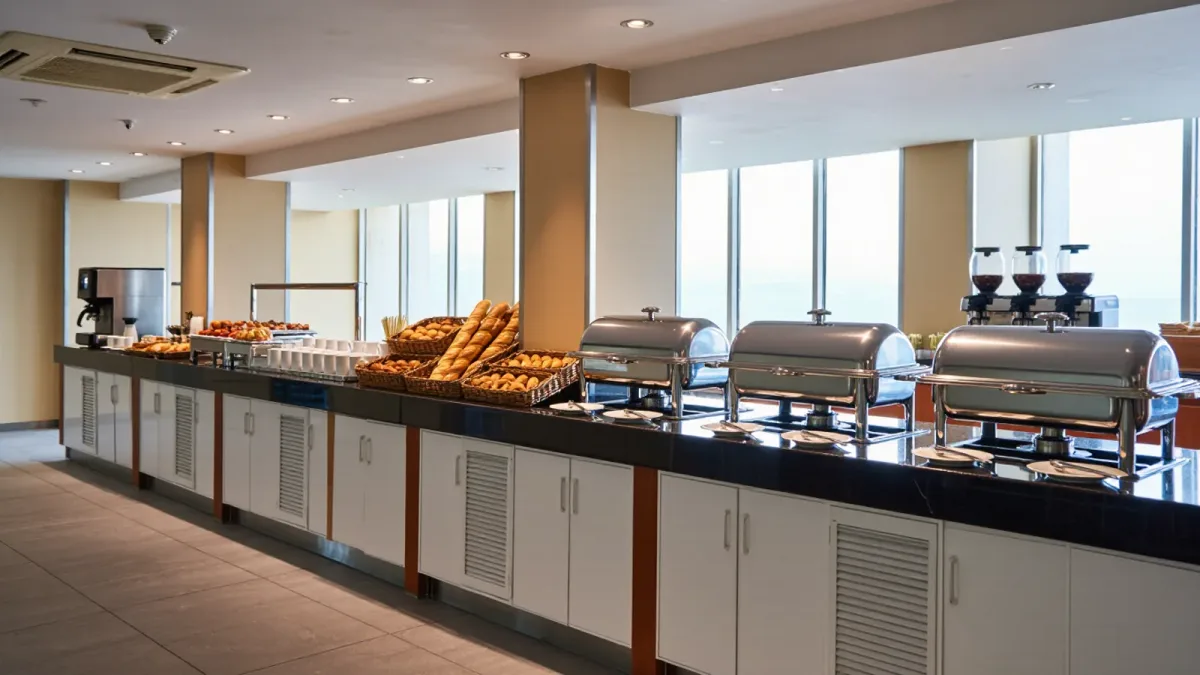
It can be both, but the operator must know which it is on any given morning. Where breakfast is included in the rate or sold as a low-priced add-on, it is a rate-support tool: its cost belongs in the rate decision, and its target is capture efficiency — feeding the guests who bought it at the planned cost per cover. Where breakfast sells at a full menu price to walk-ins and non-guests, it must stand on restaurant economics: food cost percentage, check average and throughput.
The failure mode is running a rate-tool breakfast with restaurant-level variety — expansive buffet, high waste, low effective price. The fix is designing the buffet to the capture forecast, not to the brochure.
Does the minibar still matter?
Less than it did, and differently. As guests order delivery and hotels remove retail-priced snacks, the traditional minibar has shrunk to a small revenue line with a real labor cost: checking, restocking and dispute handling. Many operators have replaced it with grab-and-go retail or with free non-accounts and paid premium items only. The modern version of the minibar question is how much refrigerator space a room dedicates to guest-owned versus hotel-sold product — a space allocation decision, not a pricing one.
What actually earns in hotel F&B?
Across operator practice, the reliable earners are:
- Banquets and events, where function-space revenue and guaranteed covers de-risk the kitchen's purchasing and labor.
- The lobby bar or flagship outlet with a strong local capture — non-guest revenue that requires no room night.
- Grab-and-go retail, which converts impulse demand with minimal labor.
- Room service in limited, high-margin formats — where it survives, it survives on a short menu and batch preparation.
The full-menu, multi-outlet, full-hours model persists mainly where brand standards or positioning demand it — and those operators should cost the mandate honestly.
How should an operator judge F&B performance?
Per outlet and per meal period, not in aggregate. The metrics that decide: capture rate (share of in-house guests buying), average check, food and beverage cost percentage, labor hours per cover, and function-space contribution. An outlet that cannot state its capture rate is being subsidized invisibly by the rooms division.
F&B earns when each component is given a job — rate support, profit, or brand mandate — and measured against that job. Undecided F&B is where the margin quietly leaves the building.